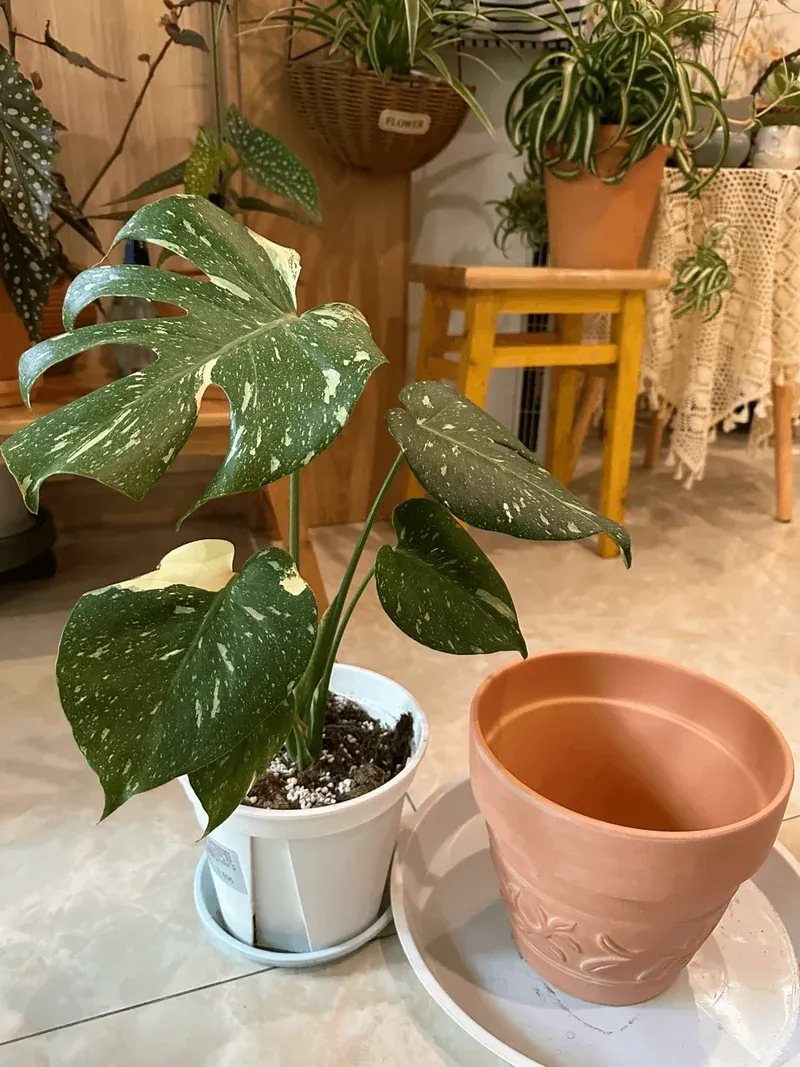
Achieving a vibrant glow for your Monstera Deliciosa leaves is simpler than you might think. With a well-executed two-step method involving potassium dihydrogen phosphate and a unique beer solution, you can transform your plant into a showpiece. Here’s how to make that happen.
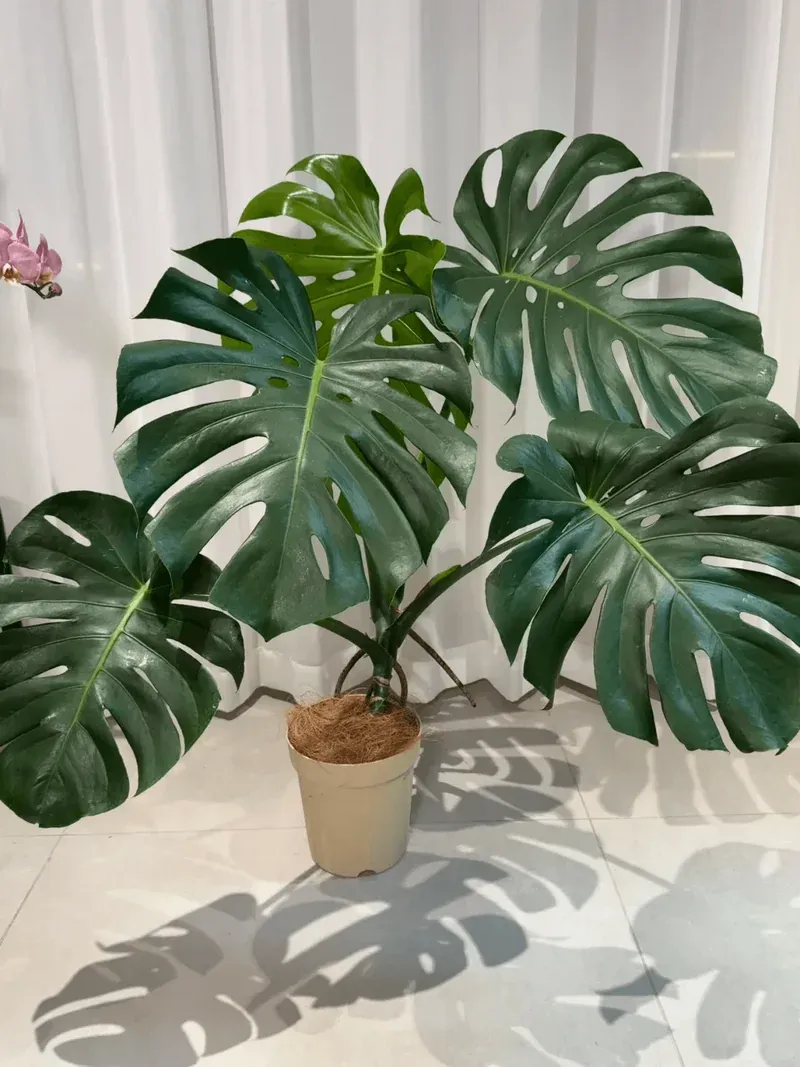
Why You Should Care
A Monstera with lackluster leaves isn’t merely a cosmetic issue; it often indicates a plant struggling to thrive. Dust accumulation on leaves can obstruct the plant’s stomata, which are essential for respiration and photosynthesis. By dedicating a bit of time to this leaf care routine, you can ensure your plant not only looks stunning but also remains healthy and vigorous.
Step 1: Strengthening with Potassium Dihydrogen Phosphate
Consider this step as setting a robust foundation for your plant’s health.
- Preparation: Combine potassium dihydrogen phosphate (KH2PO4) with water to achieve a 0.1% solution, which is roughly 1 gram per liter.
- Application: Spray this nutrient mist evenly over the leaves every two weeks.
- Benefits: This treatment boosts chlorophyll levels, enhancing the leaf’s natural green hue and preparing it for the subsequent polishing step.
Step 2: Polishing with the Beer Solution
Beer isn’t just for weekend relaxation; it’s a hidden treasure for plant enthusiasts. Its amino acids, sugars, and phosphates are ideal for leaf care.
Preparing the Solution
- Open a regular lager (avoid any flavored varieties) and leave it in a cool area for around 2-3 days. This allows the alcohol to evaporate, ensuring it won’t harm the leaves.
- Dilute the de-gassed beer with water in a 1:80 ratio.
Application Technique
- Use a soft microfiber cloth soaked in the solution to gently clean both surfaces of the leaves.
- After wiping, take a dry section of the cloth to gently buff the leaves. This step helps remove any excess moisture and enhances the leaf’s shine, making it appear almost glass-like.

Frequently Asked Questions
Q: Can milk be used as an alternative to beer? A: Milk can add a shine but is more likely to spoil and attract bacteria. Beer, with its nutrient profile, is a cleaner option.
Q: Will the beer smell linger after application? A: The dilution and application method ensure that any beer odor dissipates quickly, leaving a fresh scent.
Q: Does this method help in developing fenestrations? A: While indirectly, the increased photosynthesis efficiency from cleaner leaves can lead to the development of larger, more fenestrated leaves.