Essential Insights
- Identification: Spider mites are actually arachnids, not insects, flourishing in environments that are warm, dry, and lack air circulation.
- Detection: Look for tiny yellow or white specks and a gritty texture on the undersides of leaves. Web formations indicate a severe infestation.
- Natural Remedy: Utilize Sulfur Soap as a natural acaricide, which is safe for pets and children.
- Treatment Method: Lather the soap, apply it, let it sit for 10 minutes, then rinse. Repeat to disrupt the mite life cycle.
- Prevention Tactics: Ensure good air circulation and regular sulfur treatments for long-term control.

1. The Stealthy Threat: Why Novices Struggle
New gardeners often lose their battle with spider mites because these pests are so minute that they easily go unnoticed. By the time their webbing becomes visible, the damage is usually extensive.
How to Identify Early Signs:
- Speckling: Look for minuscule yellow or white dots on the foliage.
- Surface Feel: Leaves may feel rough or gritty to the touch.
- Progression: Begins on lower leaves and on the leaf underside, eventually spreading upwards and to nearby plants.
2. Exploiting Spider Mites’ Weaknesses
Understanding what spider mites dislike can help you combat them effectively:
- Sulfur Aversion: They cannot tolerate sulfur-based compounds.
- Humidity: They prefer arid conditions, so moisture can impede their reproduction.
- Air Movement: Stagnant air is ideal for them; good ventilation can deter their settlement and proliferation.
3. Sulfur Soap Strategy: A Step-by-Step Approach
Sulfur soap offers a gentle yet effective alternative to chemical pesticides, making it suitable for households with pets and children. It cleanses the plant both mechanically and chemically.
Procedure:
- Segregation: Quickly isolate the affected plant from others.
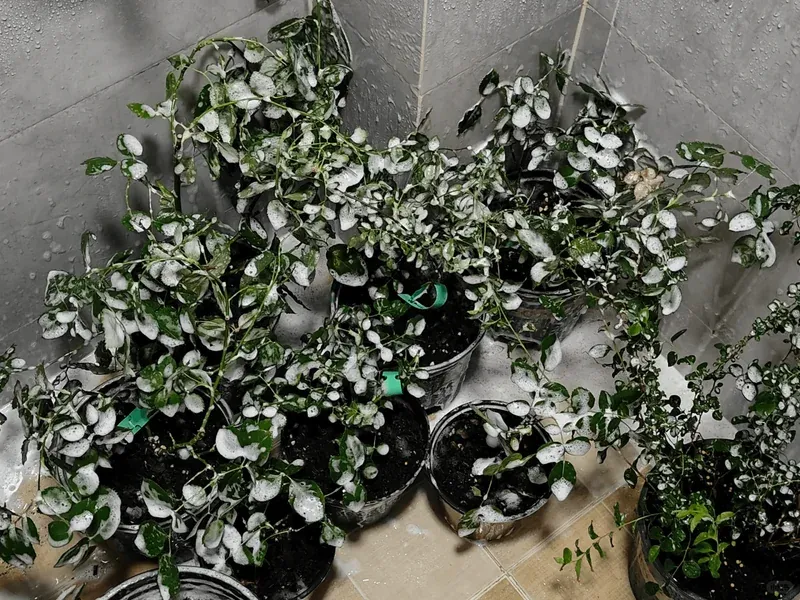
- Foaming Action: Moisten the sulfur soap and generate a dense lather.
- Application: Cover the entire plant, focusing on both sides of the leaves and stems.
- Massage: Gently work the lather into the affected areas with your fingertips.
- Waiting Period: Allow the soap to sit for 10 minutes.
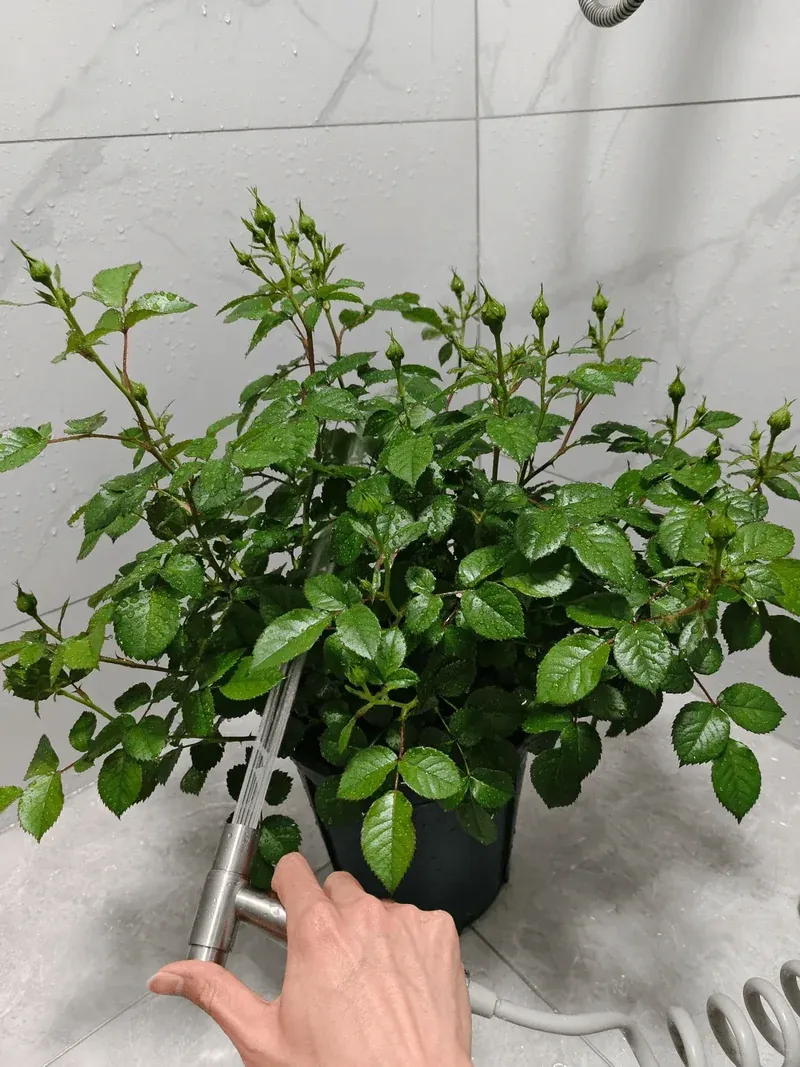
- Rinsing: Thoroughly wash away the soap with lukewarm water.
Frequency: Repeat this process 3 to 5 times at intervals of 3-4 days to eliminate newly hatched mites.
4. Post-Treatment Care: Keeping Mites at Bay
- Trimming: Remove leaves that are over half damaged to promote healthy growth.
- New Potting Mix: Spider mites can lurk in the potting medium. If heavily infested, repot using fresh, sterile soil.
- Ventilation: Use a fan to maintain airflow around plants, a key strategy to prevent a resurgence.
- Routine Baths: Monthly sulfur soap washes for susceptible plants can maintain low mite populations.
5. Frequently Asked Questions
Q: Is sulfur soap universally safe for orchids? A: Yes, it’s safe for Phalaenopsis, Cattleya, and Oncidiums. Ensure thorough rinsing to prevent water accumulation in the “crown” area, which can lead to rot.
Q: Can liquid sulfur sprays replace the soap? A: Liquid sulfur sprays are usable, but the soap’s foam smothers mites, and the rubbing action helps dislodge them, making it more effective for severe infestations.
Q: Why not use standard insecticides? A: Many insecticides, such as those with Imidacloprid, do not affect mites and might even boost their numbers by killing natural enemies. A targeted miticide or sulfur is necessary.