Essential Winter Care for Monstera
During the cold months, Monstera Deliciosa enters a phase of reduced activity, demanding care that contrasts sharply with its summer needs. To ensure its survival, maintain temperatures above approximately 11°C (52°F) to prevent damage from frost. Cease all fertilization and reduce watering; make sure the soil is dry before using room-temperature water. Avoid misting leaves in chilly air to prevent rot, opting for a humidifier to manage brown, crispy leaf tips. Remember: Warmth, Airflow, Dry Soil, and No Fertilizer.
Understanding the Winter Dormancy
Many plant enthusiasts mistakenly believe that extra care is beneficial to their Monstera in winter. In fact, the plant’s metabolic rate significantly decreases, meaning it requires minimal attention. Over-caring can be detrimental during this period.
Common Winter Mistakes and Their Solutions
1. Cold Drafts and Temperature Shocks
Native to tropical climates, Monstera plants begin to stress when temperatures fall to around 11°C. At approximately 6°C (43°F), they can suffer from irreversible root damage and frostbite.
- Common Error: Positioning plants near drafty windows or too close to heating vents.
- Solution: Place your Monstera in a warm, stable environment with indirect sunlight. If nighttime temperatures plummet, cover the plant with a clear plastic bag to retain heat and moisture, simulating a mini-greenhouse.
2. Watering Practices
In winter, Monstera roots absorb significantly less water than during the warmer months.
- Common Error: Watering on a fixed schedule and using cold water, which can shock the plant’s vascular system.
- Solution: Employ the “Chopstick Test.” Only water when the soil is dry halfway down. Allow water to sit for a day to reach room temperature before use. “Better dry than overly wet” is the winter rule.
3. Fertilization and Humidity Mismanagement
Dry air can cause leaf tips to brown, but direct misting is not advisable.
- Common Error: Applying heavy fertilizers or misting in cold environments. Fertilizers can burn the roots, and cold mist invites fungal growth.
- Solution: Suspend fertilization until spring. Combat dry air with a humidifier or pebble tray. Focus on maintaining the plant’s health until spring growth resumes.
Seasonal Care Comparison
| Requirement | Summer (Growth) | Winter (Survival) |
|---|---|---|
| Temperature | 21°C - 31°C | Above 11°C |
| Watering | Frequent, moist | Dry soil, room-temp water |
| Light | Bright Indirect | Bright indirect |
| Fertilizer | Bi-weekly | None |
| Humidity | High, misting | High, humidifiers |
Winter Care Mantra
Keep this mantra in mind: “Stay Cozy, Stay Dry, Dim Lights, No Feed. Ensure Airflow, Avoid Cold.”
Frequently Asked Questions
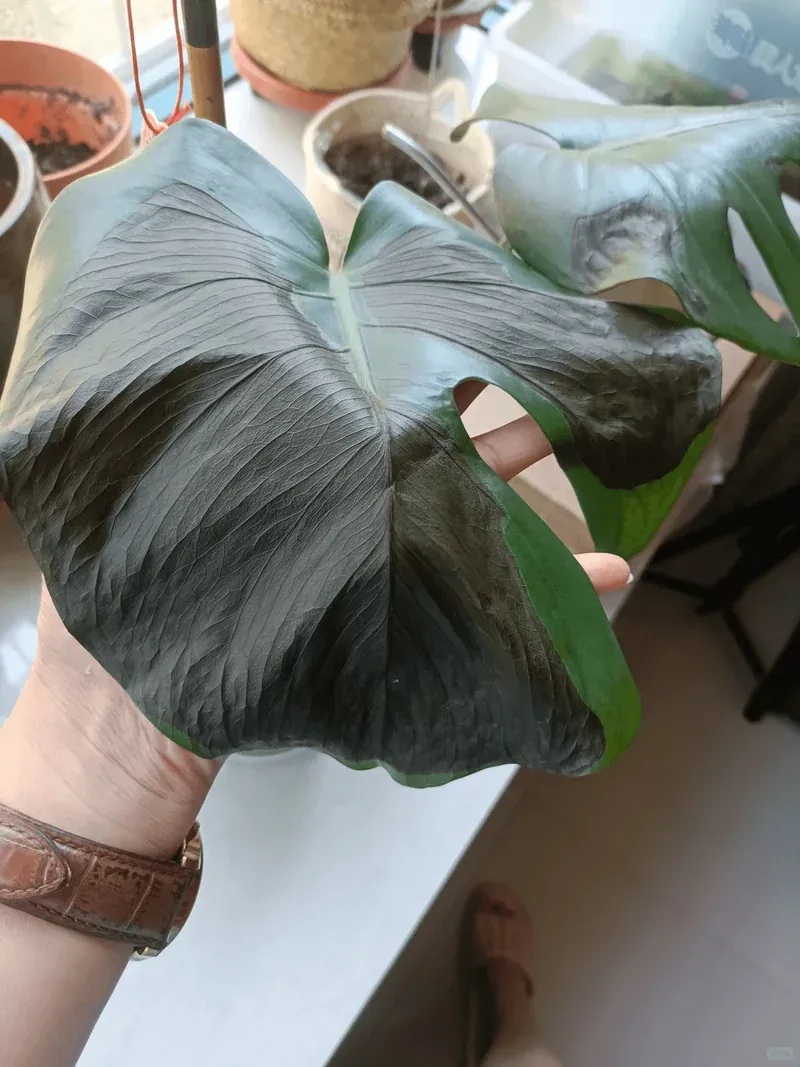
Q: My Monstera leaves have black spots. What should I do? A: If spots are soft, it’s likely Root Rot from overwatering. If they are dry and appeared after exposure to cold, it’s Frostbite. Move the plant to a warmer location and halt watering.
Q: Is winter a good time to repot my Monstera? A: No, repotting can lead to “Transplant Shock.” During dormancy, the plant won’t adapt to new soil, risking stagnant water and rot. Wait for spring.
Q: Can I trim the brown leaf tips? A: Yes, for aesthetics, but leave a small brown edge to avoid cutting into live tissue, which can stress the plant further.