Essential Insights
- Signs of Thirst: If your plant’s leaves are turning crispy with a yellowish or brown hue and the soil is pulling away from the pot’s edge, it’s likely too dry.
- Waterlogged Indications: Look for leaves that are dark and mushy, with soil that remains soggy, and a stem that’s soft and pliable, indicating possible root rot.
- Quick Fixes: For dehydrated plants, try the “Soak Method”. For overwatered plants, the “Chopstick Aeration” technique might help.
- Expert Tip: Before watering, always test the soil’s moisture a couple of inches beneath the surface, rather than just glancing at the top layer.
1. Rapid Diagnostic Table
Utilize this table for swift identification of your plant’s ailment.
| Symptom | Too Dry | Too Wet |
| Leaf Appearance | Yellow/Brown, dry, and crispy. | Black/Dark brown, soft, and mushy. |
| Leaf Texture | Crumbles/snaps when touched. | Limp, wilted, and "droopy." |
| Soil Condition | Surface is white/cracked; soil pulls away from pot edges. | Sticky, muddy, or has a foul swampy smell. |
| Stem Feel | Brittle and dry. | Soft, squishy, or "bouncy." |
2. Scenario A: Revitalizing Parched Plants
When your plant is extremely dry, its soil might repel water, causing it to run off instead of soaking in.
🔧 Restoration Steps:
- Trimming: Remove all the completely desiccated leaves and branches as they will not recover, only draining energy from the plant.
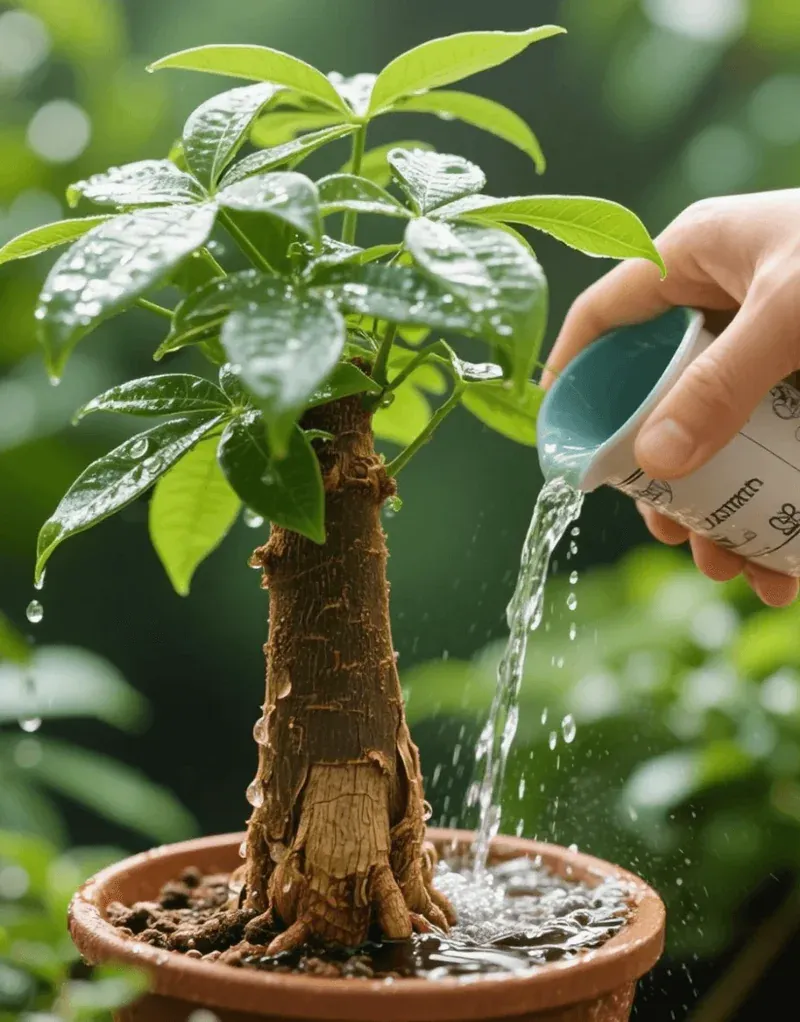
- Controlled Watering: Avoid soaking the plant with a large volume of water at once. Gradually water it, allowing small amounts to absorb before adding more, until it drains from the bottom.
- Soak Method (The “Hydration Spa”): Submerge the pot in a shallow basin with a couple of inches of water for about 1-2 minutes, enabling the roots to absorb moisture from the bottom. Afterwards, place it in a shaded, airy spot to recuperate.
3. Scenario B: Addressing Overwatering Perils
Excessive watering can be more harmful than a lack of water, as it leads to root decay, cutting off the plant’s oxygen supply.
🔧 Immediate Actions:
- Halt Watering: Immediately stop watering. Trim away any blackened or decayed foliage to inhibit fungal growth.
- Chopstick Technique: Insert a wooden chopstick into the soil to create channels for air, facilitating faster moisture evaporation.
- Enhanced Airflow: Position the plant in a well-ventilated area, potentially near a small fan.
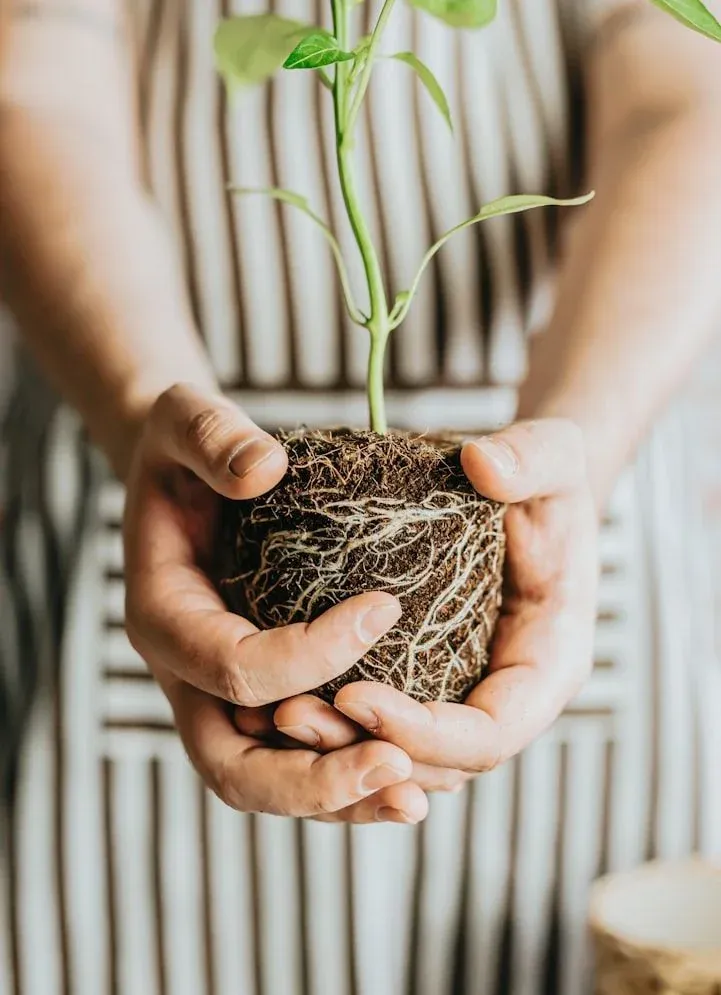
- Emergency Repotting: For extreme cases (like a mushy stem), uproot the plant, gently remove the wet soil, prune any blackened roots, let the root mass dry, and replant in fresh, well-draining soil.
4. How to Sidestep Future Watering Dilemmas
- Moisture Check: Probe the soil with your finger up to the second knuckle. Water only if it feels dry; refrain if damp.
- Pot Selection: Utilize pots with drainage holes. If a decorative pot lacks holes, use it as a cover for a functional liner.
- Improved Soil Blend: Incorporate Perlite or Pumice into your soil to enhance aeration, providing a buffer against overwatering.
5. FAQ: Frequently Asked Questions
Q: Why does my plant droop even in wet soil? A: This typically signals root rot, where roots perish from lack of oxygen, disrupting water transport to the leaves. To the plant, overwatering mimics the effects of drought.
Q: Is it possible to rescue a plant with a squishy stem? A: It’s challenging. A squishy stem often means the decay has reached the plant’s vascular tissues. Try propagating a healthy cutting to preserve the plant.
Q: Does yellowing always indicate thirst? A: Not necessarily. Yellow leaves can result from overwatering, underwatering, or nutrient issues. Check the leaf texture: crispy yellow suggests dryness; mushy yellow suggests excess water.