Summary
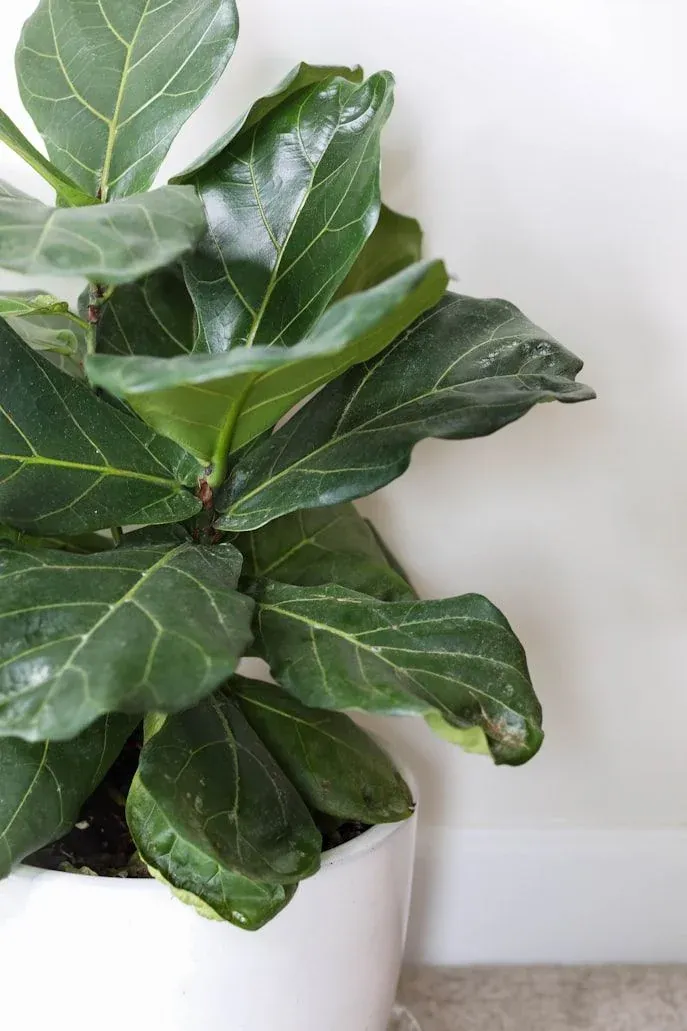
If you notice your Fiddle Leaf Fig (Ficus lyrata) shedding its leaves, the culprit is often root rot due to excessive watering or environmental stress. To rescue your plant, take these steps: 1) Check the roots and trim any that are dark and mushy; 2) Move the plant to a location with abundant indirect light and maintain a temperature range of 16-26°C; 3) Employ the “Chopstick Test” for watering and halt fertilization for three weeks. Refrain from misting the foliage to avoid fungal infections.
🚑 Essential Steps for Fiddle Leaf Fig Recovery
Step 1: Root Health Restoration
When a Fiddle Leaf Fig starts dropping leaves, it often signals trouble beneath the soil.
- Indicators of Root Rot: Look for slimy, black roots and a musty odor emanating from the soil.
- What to Do: Gently lift the plant from its container. Use clean scissors to remove all decaying roots, preserving only the healthy, white ones.
- Recovery Process: Submerge the roots in a fungicide bath (such as Carbendazim or a suitable plant disinfectant) for about half an hour.
- Repotting Medium: Choose a well-draining soil blend for repotting.
- Suggested Mix: Combine 5 parts Peat Moss, 3 parts Perlite, and 2 parts Coco Husk for optimal results.
Step 2: Creating a Stable Environment
Fiddle Leaf Figs are sensitive to environmental changes. Providing a stable setting is crucial.
- Lighting Conditions: Position the plant in a spot with “Bright Indirect Light,” ideally about a meter from an east-facing window. Avoid exposing it to intense sunlight.
- Temperature Maintenance: Keep the temperature consistent between 16-26°C (61-79°F), avoiding drafts from vents or heating units.
- Humidity Adjustment: Instead of misting, place a water-filled pebble tray beneath the pot to naturally increase humidity.
Step 3: Managing Water Intake
Proper hydration is vital, but overwatering can be detrimental.
- Testing Soil Moisture: Insert a wooden chopstick 2-3 inches deep into the soil. If it emerges dry, it’s time to water; if damp, hold off.
- Fertilization Pause: Refrain from fertilizing for a minimum of three weeks to allow the plant to concentrate on root recovery rather than new growth.
⚠️ Avoiding Common Pitfalls
Beginners often make mistakes in their attempts to rescue their plants. Steer clear of these misconceptions:
- Misconception: Misting increases humidity.
- Truth: This can lead to Leaf Spot Disease due to moisture being trapped in the plant’s “crown,” leading to bacterial and fungal problems.
- Misconception: Enclosing in a plastic bag creates a greenhouse effect.
- Truth: This traps humid air, which can exacerbate issues like root rot and encourage further fungal growth.
- Misconception: Using beer shines leaves.
- Truth: The sugars in beer can attract pests such as gnats and scales, and clog the leaf pores, impairing photosynthesis.
FAQs: Common Questions Answered
Q: Why do my Fiddle Leaf Fig leaves develop brown edges before falling? A: This is typically a sign of overwatering leading to root rot, or it might be due to low humidity if the spots are dry and tan.
Q: Is it possible for a Fiddle Leaf Fig to regrow leaves on a barren stem? A: Absolutely! Encourage new growth through a method called notching once the plant has stabilized and stopped losing leaves for at least a month.
Q: What is the recovery timeline for a Fiddle Leaf Fig? A: Usually, it takes about 4 to 6 weeks. Signs of recovery include halted leaf drop and swelling of the “bud” at the plant’s apex.