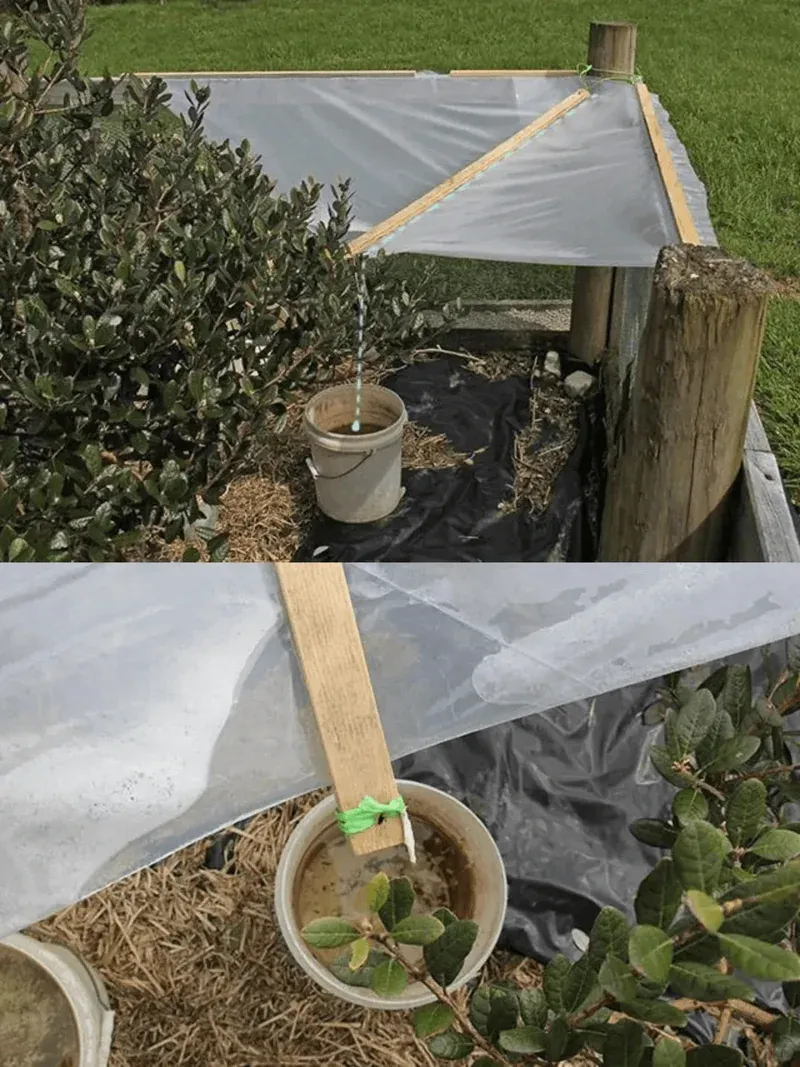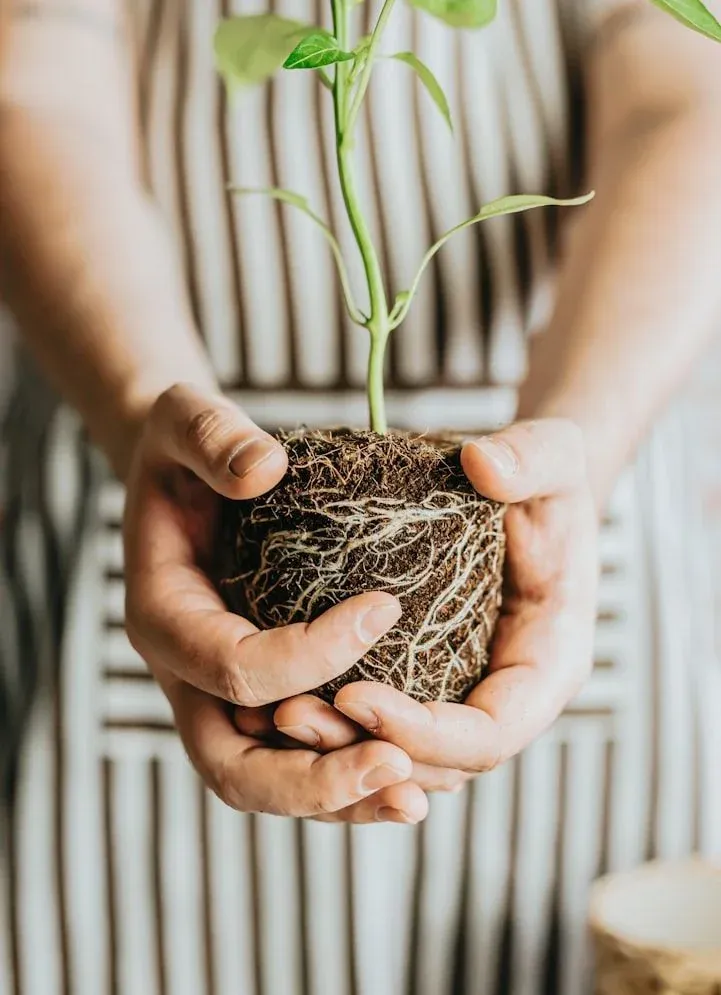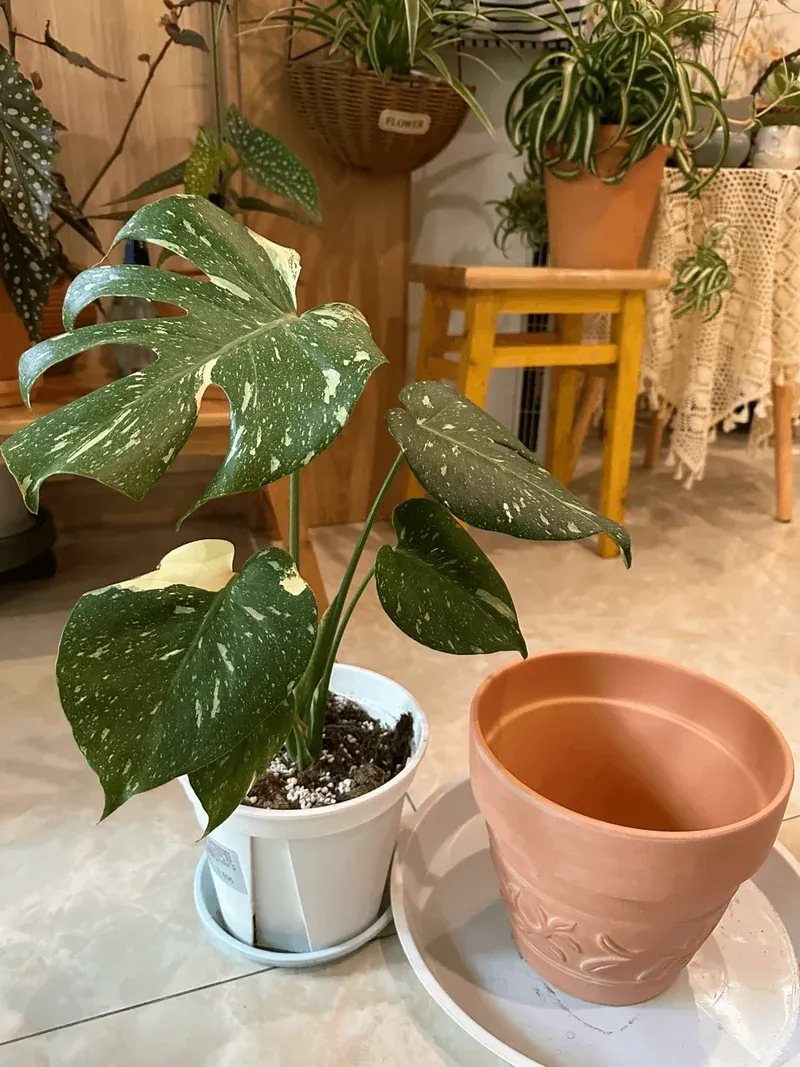
Key Insights
- Identifying Sun Damage: High temperatures exceeding approximately 51°C (around 124°F) lead to severe sunburn (necrosis), while UV exposure between 45-48°C results in yellowing.
- Immediate Action: Move plants to a shaded area, trim damaged parts, and disinfect with Carbendazim. Employ the Submersion Technique for thorough watering.
- Preventive Measures: Employing shade cloths can lower temperatures by 4-8°C and reduce the risk of sunburn by over 58%.
- Chemical Assistance: Foliar application of Orthosilicic acid strengthens plant cell walls, enhancing drought resilience.
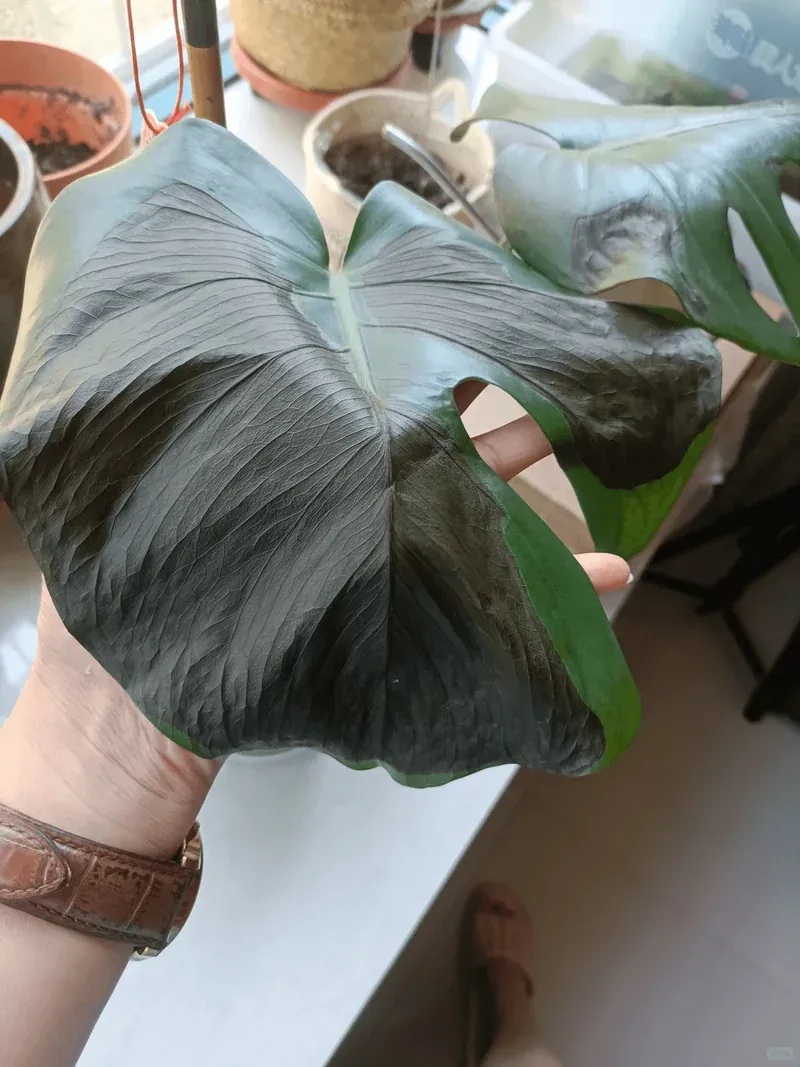
1. Recognizing Sunburn in Plants
Heat stress manifests differently across plants. Understanding temperature impact is vital for timely intervention.
- Intense Sunburn (Cell Damage): Occurs when leaf temperatures climb beyond 51°C. This results in immediate darkening or blackening as cell integrity fails.
- Moderate Sunburn (UV Effect): Happens between 45-48°C, leading to yellow or tan discoloration, particularly in areas with maximum sun exposure.
- Succulent Deterioration (Water Rot): Species like Haworthia may appear translucent or soft due to internal breakdown from heat and moisture.
2. Emergency Plant Care Protocol
Step 1: Quick Relocation
Immediately transfer the plant to a shaded, airy space. Act swiftly. Trim away mushy parts in succulents with sanitized tools, applying Carbendazim to prevent infection.
Step 2: Strategic Watering
- Air Moistening: Mist the surrounding air to cool the area, but avoid direct leaf spraying under strong sunlight to prevent intensified burns.
- Thorough Saturation: For parched soil, conventional watering is insufficient. Use the Submersion Technique for 30 minutes to ensure water reaches the root zone.
Step 3: Pruning Damaged Foliage
Damaged leaves won’t recover. Remove them to allow the plant to focus resources on healthy areas, promoting new growth.
3. Proactive Plant Protection Strategies
- Physical Barriers (Optimal Choice): Implementing a shade cloth with a minimum 20% shading factor can lower leaf temperatures by 4-8°C, reducing severe burns.
- Protective Coatings: Kaolin clay sprays serve as a protective layer, reflecting UV rays but may dull plant colors temporarily.
- Strengthening Techniques: Apply Orthosilicic acid to reinforce cell walls, aiding in heat tolerance.
- Environmental Adjustments: Use Terracotta pots for improved air circulation or a “Double Pot” system with moss insulation to prevent root overheating.
4. Debunking Summer Plant Care Myths
- “Acclimatization”: Avoid leaving a sun-damaged plant in harsh sunlight to “adapt.” It risks further damage or death.
- Noon Watering: Refrain from watering during peak heat; sudden temperature changes can harm roots.
- Direct Sun Exposure: Gradually acclimate new plants to full sun over a period of 7-10 days.
5. Common Queries
Q: Why is my succulent turning yellow and soft? A: Likely “Water Rot” from heat and moisture. The soil’s heat can “cook” roots. Use a grittier mix and increase ventilation.
Q: Is an indoor fan suitable for balcony plants? A: Absolutely! An electric fan can help disperse hot air, preventing plant stress.
Q: When should I halt summer fertilization? A: As temperatures surpass 29°C (84°F), most plants slow growth. Cease high-nitrogen fertilizers, opting for diluted, slow-release alternatives to prevent root burn.