Key Insights
- Origin: Powdery mildew is a fungal disease that thrives in moist, poorly ventilated environments, typically around 20°C (68°F).
- Nutrient Adjustment: Cease the use of nitrogen-rich fertilizers immediately; instead, opt for phosphorus and potassium to fortify plant defenses.
- Thermal Technique: Heat exceeding 30°C (86°F) can eliminate the fungus. Using a clear plastic cover in sunlight can create a sterilizing effect.
- Chemical Solutions: Employ fungicides such as Luna Sensation (Fluopyram) and Nativo (Trifloxystrobin) in rotation to avoid resistance buildup.
1. Identifying Powdery Mildew: An Overview
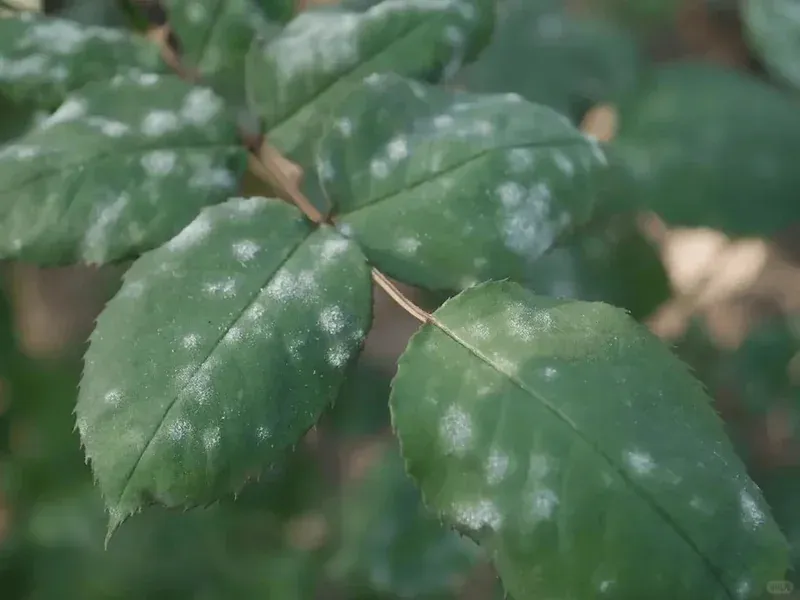
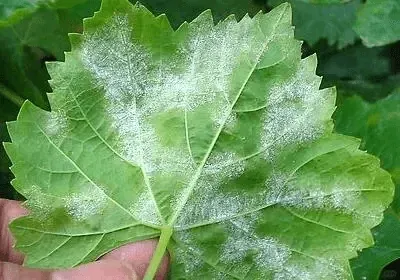
Powdery mildew is often mistaken for a light dusting of flour on leaves, but it is actually a parasitic fungus. It predominantly surfaces during the moist, mild conditions of spring and fall. Unlike many fungal infections, it does not require liquid water for propagation; high humidity alone suffices. If left unchecked, it can cause leaf distortion and hinder blooms, depriving the plant of essential energy.
2. Comprehensive Four-Step Recovery Strategy
Step 1: Nutritional Changes (Dietary Adjustments)
During an infestation, new, tender growth is vulnerable.
- Discontinue: Use of fertilizers rich in nitrogen (like manure or high-nitrogen liquids). Nitrogen promotes soft plant growth that the fungus easily invades.
- Implement: Fertilizers high in phosphorus and potassium. These nutrients enhance cell wall integrity, making plants more resistant to fungal intrusion.
Step 2: Environmental Adjustments and Heat Application
- Ventilation: Ensuring adequate airflow is crucial. Arrange plants to allow air circulation, particularly through dense areas.
- Heat Application: The fungus is heat-sensitive. On sunny days, covering infected branches with a clear plastic bag for several hours can be effective. This creates a greenhouse effect, raising temperatures beyond 30°C, which begins to kill the fungus. Caution: Avoid prolonged exposure to prevent plant damage.
Step 3: Sanitation Practices (Isolation and Pruning)
- Pruning: Remove heavily infected foliage and dispose of it in waste bins (do not compost).
- Sanitation: Clean pruning tools with alcohol after each cut to prevent spreading spores to healthy areas.
Step 4: Chemical Treatments (The Remedy)
For extensive infections, fungicides are necessary.
- Preventative Measures: Regular application of broad-spectrum fungicides like Chlorothalonil or Mancozeb is recommended.
- Active Treatment: For ongoing infections, use systemic fungicides:
- Luna Sensation (Fluopyram + Trifloxystrobin): Highly effective; use at a 1:1000 dilution ratio.
- Nativo (Trifloxystrobin + Tebuconazole): Excellent for alternating applications to avoid resistance.
- Application Frequency: Apply treatments twice weekly until no visible powder remains.
3. Fungicide Application Safety Tips
- Safety Gear: Always wear gloves and a mask.
- Application Location: Spray in open, well-ventilated areas.
- Post-Application Caution: Keep treated plants outdoors or in a ventilated garage for at least 48 hours before moving them indoors or onto a balcony.
4. Frequently Asked Questions
Q: Is baking soda effective against powdery mildew? A: Baking soda can alter the pH of leaf surfaces, deterring spore germination. However, it is more preventive than curative for severe infections.
Q: Can powdery mildew spread to other plants? A: While most mildew strains are host-specific, adverse conditions can lead to multiple species affecting different plants simultaneously.
Q: Is evening watering advisable for roses? A: Watering in the evening leaves plants damp overnight, which is ideal for mildew. Morning watering is preferable as it allows the sun to dry the leaves.