Quick Overview
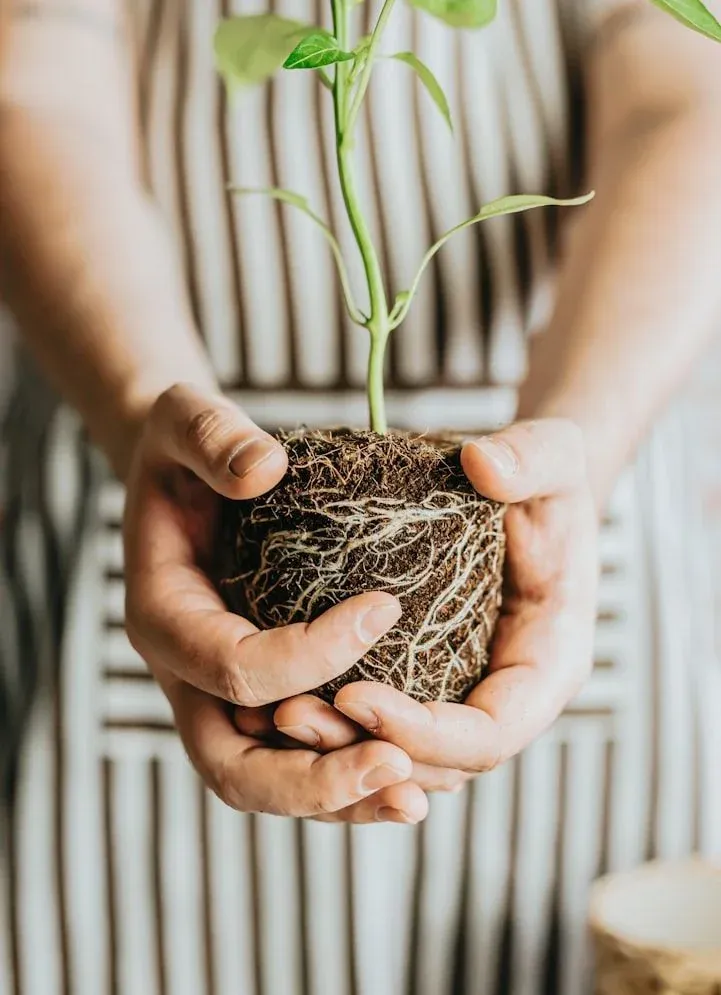
Selecting the correct plant container is crucial for optimal root development, focusing on effective drainage and air circulation. For indoor and balcony gardening, Aoyama-style Slit Pots are advisable as they minimize root circling and enhance oxygen flow. For outdoor plants needing more moisture, Gallon Pots are ideal due to their elevated drainage design and sturdiness. Glazed Pots should be avoided as they often lead to anaerobic conditions and root rot.
1. Evaluating Different Container Types
| Pot Type | Drainage Efficiency | Aeration | Best Suited For | Recommendation |
|---|---|---|---|---|
| Aoyama Slit Pot | Excellent (5/5) | Excellent | Succulents, Orchids, Balcony Use | Highly Recommended |
| Gallon Pot | Good (4/5) | Moderate | Roses, Shrubs, Outdoor Veggies | Strongly Recommended |
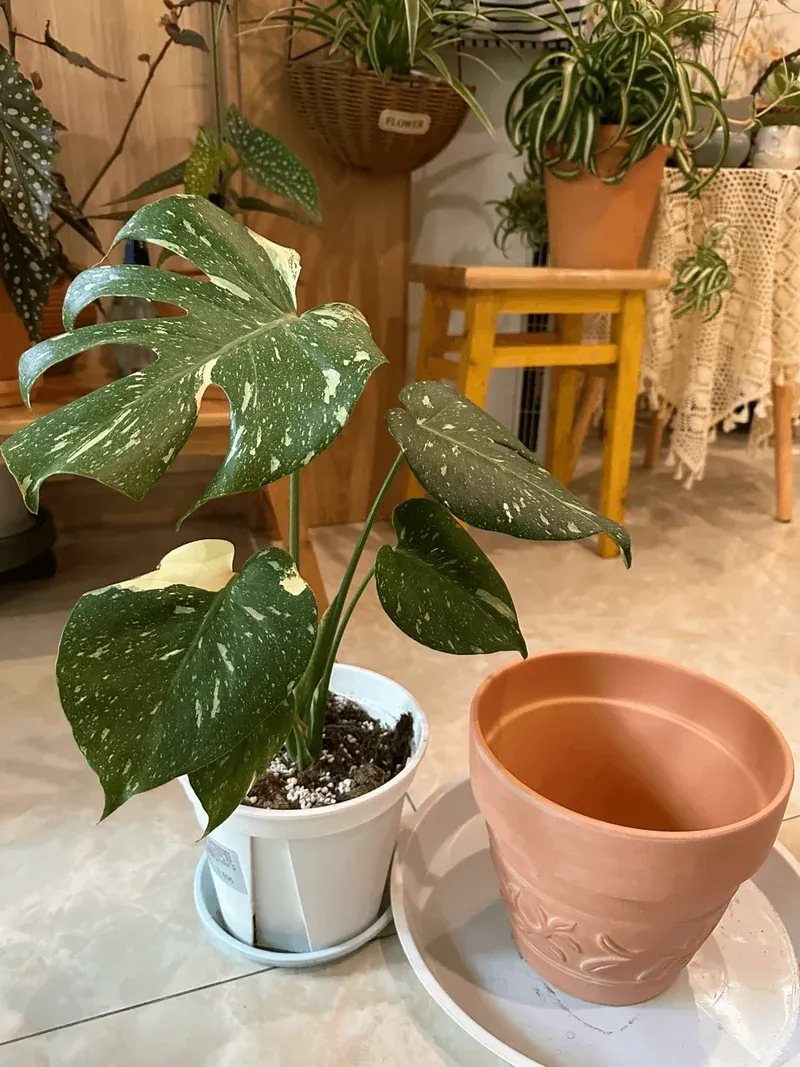
| Terracotta Pot | Fair (3/5) | Good | Cacti, Drought-resistant Plants | Use with Caution |
| Glazed Pot | Poor (1/5) | Poor | Artificial Plants Only | Not Recommended |
2. Top Picks for Your Garden
✅ The Expert’s Choice: Aoyama Slit Pots
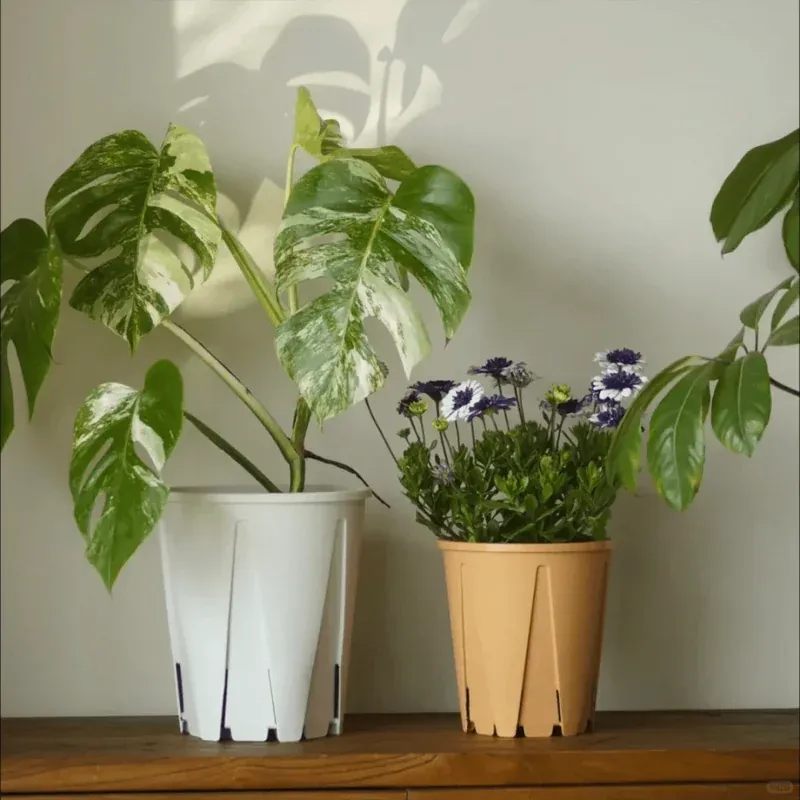
These pots are designed with vertical slits that encourage “Air Pruning.”
- The Mechanics: Air exposure at the slits halts root growth, prompting the plant to produce new, healthy roots instead of circling the pot.
- Advantages: Superior air circulation; prevents root decay; lightweight.
- Drawbacks: Requires frequent watering due to quicker soil drying.
- Ideal For: High-maintenance indoor plants like Anthuriums and balcony gardens.
✅ The Versatile Gallon Pots
Favored by both professionals and hobbyists, these pots excel at moisture retention.
- The Mechanics: Their raised-bottom design with multiple drainage holes prevents water accumulation by allowing gravity-fed drainage.
- Advantages: UV protection; retains moisture effectively; avoids “wet feet.”
- Drawbacks: Less breathable than slit pots.
- Ideal For: Large outdoor plants, including roses and terrace vegetables.
3. Containers to Avoid
❌ The Classic Misstep: Terracotta Pots
While visually appealing and somewhat breathable, they have structural issues that can trap water.
- Problem: Flat bottoms with a single drainage hole often create a “vacuum” effect when placed on a saucer, resulting in soggy soil.
- Recommendation: Use with a bottom layer of pebbles to enhance drainage, but note their weight and fragility.
❌ A Novice’s Error: Glazed Ceramic Pots
Though attractive, these pots can suffocate your plants.
- Problem: The glaze prevents air passage, allowing only the top and a small bottom hole for breathing, contributing to stagnant water and fungal issues.
- Recommendation: Use as decorative outer pots, placing plants in plastic containers inside.
Keeping Track of Your Pots
Maintain a gardening journal to record the Pot Type and observe how long soil stays moist in various containers. Mastering this “Drying Cycle” will refine your watering practices.
FAQ: Common Inquiries
Q: Can I add more drainage holes to a glazed pot? A: Yes, using a diamond-tip drill bit can help improve drainage, but won’t solve the lack of aeration through the pot walls.
Q: Should I use a saucer with Slit Pots? A: Yes, since water exits quickly from the pot, but ensure to empty the saucer about 15 minutes after watering to prevent reabsorption.
Q: What’s the origin of “Gallon Pots”? A: The name relates to their volume capacity, but note that “trade gallons” in gardening are smaller, usually holding around 2.8 to 3 liters of soil.