We’ve all experienced it: purchasing a beautifully compact succulent, only to find it resembling a lanky giant within weeks. This phenomenon, known as Etiolation, is a signal that your plant is yearning for more light. Understanding the causes and remedies for this condition can help restore your succulent’s charm.
📝 Essential Insights
- Root Cause: Etiolation occurs due to insufficient light, prompting the plant to elongate in search of sunlight.
- Irreversibility: Once a succulent stretches, it can’t revert to its original form. Pruning is necessary to rejuvenate its appearance.
- Positive Stress: Succulents thrive under conditions of moderate stress, such as ample sunlight and limited watering, maintaining their vivid hues and compact form.
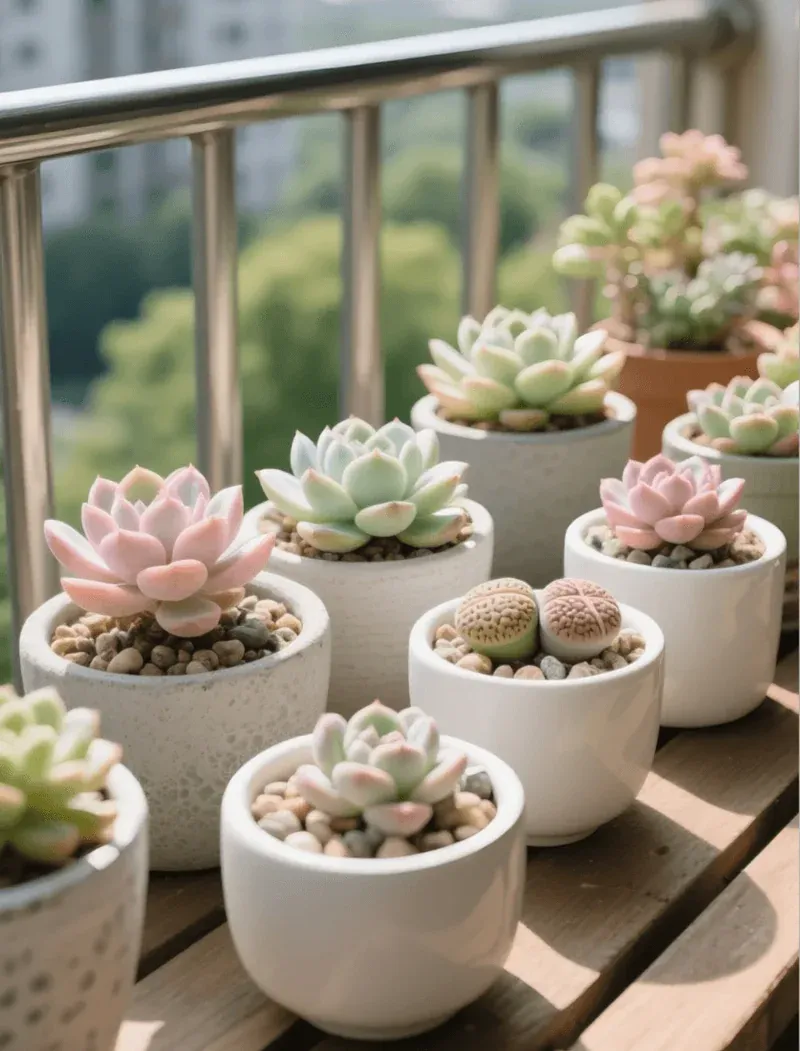
- Light Requirements: To preserve their rosette shape, succulents generally need over 6 hours of bright sunlight daily.
🧐 Diagnosing Your Succulent’s Growth
| Aspect | Healthy Growth | Leggy Growth |
| Leaf Arrangement | Tightly grouped, no visible stem. | Wide gaps, visible stem. |
| Coloration | Rich reds, purples, or deep greens. | Pale green or yellowish tones. |
| Growth Direction | Flat or compact growth. | Stretching towards light sources. |
| Leaf Orientation | Curved upward or inward. | Drooping to increase light exposure. |
✂️ Revitalizing Your Succulent
To restore your plant’s original beauty, some strategic pruning is required. Here’s how:
- Pruning the Top: Use sterile scissors to cut off the top rosette, leaving about an inch of stem.
- Healing the Cut: Allow the cutting to dry on a paper towel for 3 to 5 days until a protective callus forms.
- Leaf Propagation: Detach leaves from the middle of the stem and place them on soil for propagation.
- Replantation: Once the callus forms, plant the cutting in fresh, dry succulent soil. Refrain from watering for at least two weeks to allow root development.
🌞 Tips for Compact Growth
1. Prioritize Adequate Lighting
Succulents hail from sun-drenched habitats. Your home’s lighting may fall short of their needs.
- Optimal Placement: South-facing windows are ideal.
- Supplementary Lighting: In dim environments, an LED grow light positioned 6-10 inches above the plant can prevent elongation.
2. Water Sparingly
Overwatering combined with low light leads to weak growth.
- Watering Strategy: Wait until leaves are slightly soft before watering.
- Controlled Growth: Less water encourages slower, sturdier growth.
3. Rotate Regularly
Like sunflowers, succulents lean towards light.
- Balanced Growth: Rotate the pot 90 degrees weekly to maintain symmetry.
❓ Common Questions
Q: Can I just move my leggy succulent into the sun to fix it? A: Although increased sunlight halts further stretching, it won’t shrink the existing stem. Transition to direct sunlight gradually to prevent sunburn.
Q: Which succulents are best for low-light conditions? A: Avoid Echeverias in low light. Opt for Haworthia or Gasteria, which remain compact and thrive in less light.
Q: Why are the bottom leaves yellowing and dropping? A: Bottom leaf drop is normal as the plant reallocates nutrients. However, if they’re mushy, it might indicate overwatering and root rot.