Key Highlights
- Must-Have Trio: Every novice gardener should start with a top-notch Hand Trowel, Pruning Shears, and a Long-Spout Watering Can.
- Choose Quality Materials: Prioritize Stainless Steel or Carbon Steel over plastic to ensure durability and accuracy.
- Cost-Saving Advice: Steer clear of cumbersome “all-in-one” sets; investing in individual, high-quality tools will be more economical over time.
- Tool Care: Regular cleaning and drying of your tools is crucial to prevent rust and curb plant diseases.
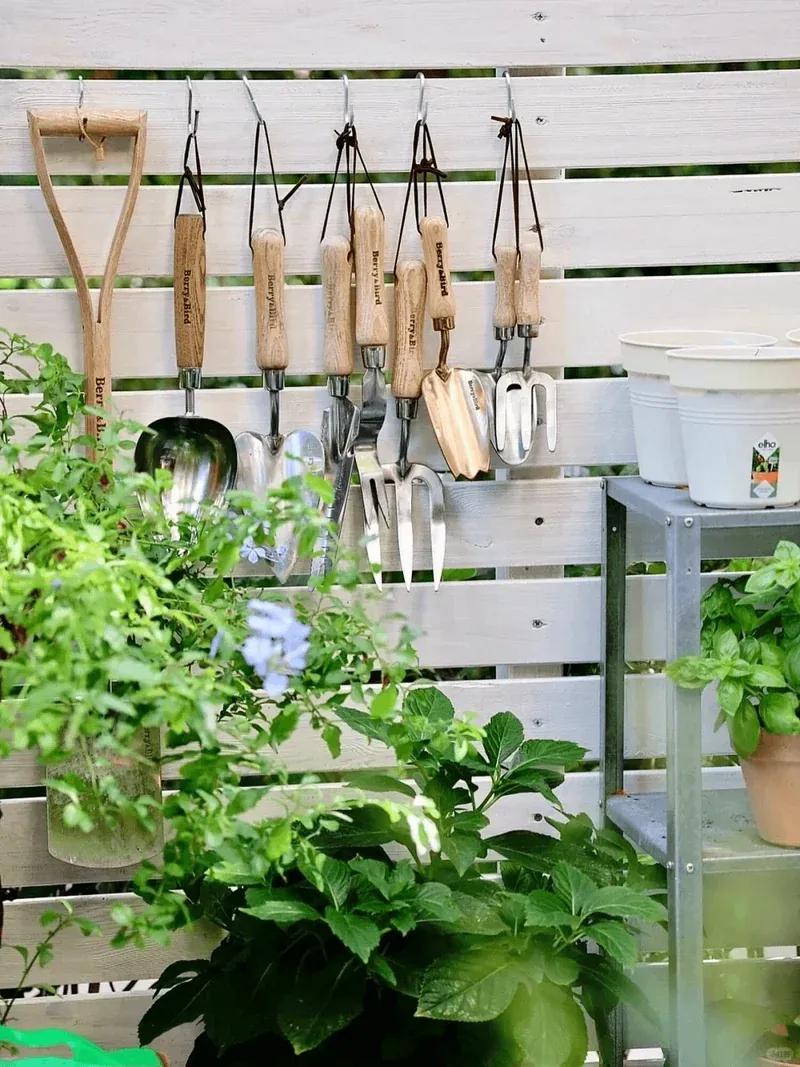
1. Building a Strong Foundation: Indispensable Tools
Before investing in advanced gadgets, make sure you have these five fundamental tool types. Their quality will significantly impact your gardening achievements.
| Tool Category | Must-Have Item | Why It's Essential | Pro Buying Tip |
| Pruning | Bypass Pruning Shears | For shaping, deadheading, and removing diseased stems. | Opt for a model with a locking mechanism and replaceable blades. |
| Digging | Hand Trowel (8-10cm) | Ideal for transplanting seedlings and mixing potting soil. | Choose a "one-piece" metal design to avoid handle breakage. |
| Soil Care | Three-Prong Cultivator | Used to loosen compacted soil and weed removal. | Ensure the prongs are sturdy enough for heavy clay soil. |
| Watering | Long-Spout Watering Can | Provides precise watering at the root level, keeping foliage dry. | A capacity of 1-2L is perfect for indoor or balcony gardens. |
| Protection | Gardening Gloves | Shields hands from thorns, soil bacteria, and blisters. | Nitrile-coated palms offer a good balance of protection and flexibility. |
2. Enhancing Your Gardening Experience: Additional Tools
Once the basic tools are secured, consider these to simplify and enhance your gardening endeavors:
- Pressure Sprayer: Vital for misting tropical plants like Monstera or applying organic neem oil for pest management.
- Repotting Mat: A foldable, waterproof surface to keep your workspace clean when handling soil.
- Soil Moisture Meter: An invaluable tool for beginners, helping prevent overwatering by indicating when to water your plants.
3. Avoiding Common Pitfalls: What to Skip
New gardeners often fall for attractive but impractical products. Here’s what to avoid:
- Inexpensive Plastic Sets: They bend and break under minimal stress. A $5 plastic tool is costlier than a $15 metal one if it needs frequent replacement.
- Multi-function “Swiss Army” Tools: These tools often fail to perform any task well. Separate tools like a dedicated trowel and knife are more effective.
- Large Equipment: Urban balcony gardeners should avoid a 50ft hose or full-sized shovel. Opt for “Micro” or “Mini” tools tailored for container gardening.
4. Smart Maintenance and DIY Alternatives
You don’t have to spend excessively to be an effective gardener. Consider these tips:
- Repurposed Chopsticks: Use an old chopstick as a planting depth gauge or a small plant stake. It also works well for checking soil moisture.
- Recycled Seed Pots: Empty yogurt containers or coffee cups with drainage holes make great starter pots for seeds.
- Tool Sterilization: After pruning a diseased plant, clean your shears with 70% Isopropyl Alcohol to prevent spreading pathogens to healthy plants.
5. Common Questions Answered
Q: Which is better: Stainless Steel or Carbon Steel? A: Stainless steel resists rust and is easy to clean, ideal for beginners. Carbon steel is tougher and retains sharpness longer but requires oiling to prevent rust.
Q: How can I prevent my tools from rusting? A: Always clean and dry them before storage. Wipe them dry after use, and for added protection, store them in a mixture of dry sand and a bit of mineral oil.
Q: Is a pressure-style sprayer necessary? A: If you maintain more than ten plants, yes. Hand-pump sprayers can cause fatigue, but a 1L or 2L compression sprayer conserves your energy.