Key Insights
- Understanding Native Flora: Native plants are those that have thrived in a specific area for millennia, perfectly adapted to the local climate and terrain.
- Primary Benefits: They boast high survival rates, minimal need for irrigation, and natural resilience against local pests.
- Environmental Contribution: Vital for supporting local pollinators like bees and butterflies, and crucial for maintaining biodiversity.
- Sustainability in Architecture: Utilizing native plants in landscaping can significantly reduce energy costs by naturally regulating temperature and optimizing water use.
1. What Defines a Native Plant?
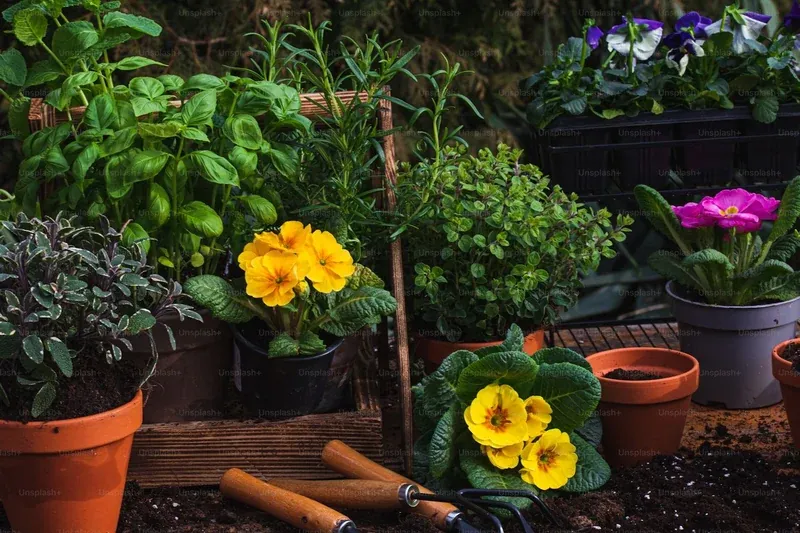
Native plants, often referred to as indigenous or endemic species, are the natural denizens of a particular ecosystem. Unlike non-native ornamental species, these plants have evolved in tandem with local fauna and climatic conditions, representing a crucial element of the area’s environmental legacy.
2. The Four Pillars of Native Plant Benefits
| Benefit | Significance | Impact |
|---|---|---|
| Ecological Stability | Tailored to local environmental cycles. | Enhanced survival rates; eliminates the need for synthetic fertilizers. |
| Biodiversity Oasis | Provides nourishment and habitat for regional birds and insects. | Fosters a dynamic ecosystem that sustains the food web. |
| Water Efficiency | Equipped with deep root systems suited to local precipitation. | Substantially reduces or negates the requirement for additional watering. |
| Pest Resistance | Innate immunity to native pests and diseases. | Minimizes dependency on harmful pesticides and labor-intensive upkeep. |
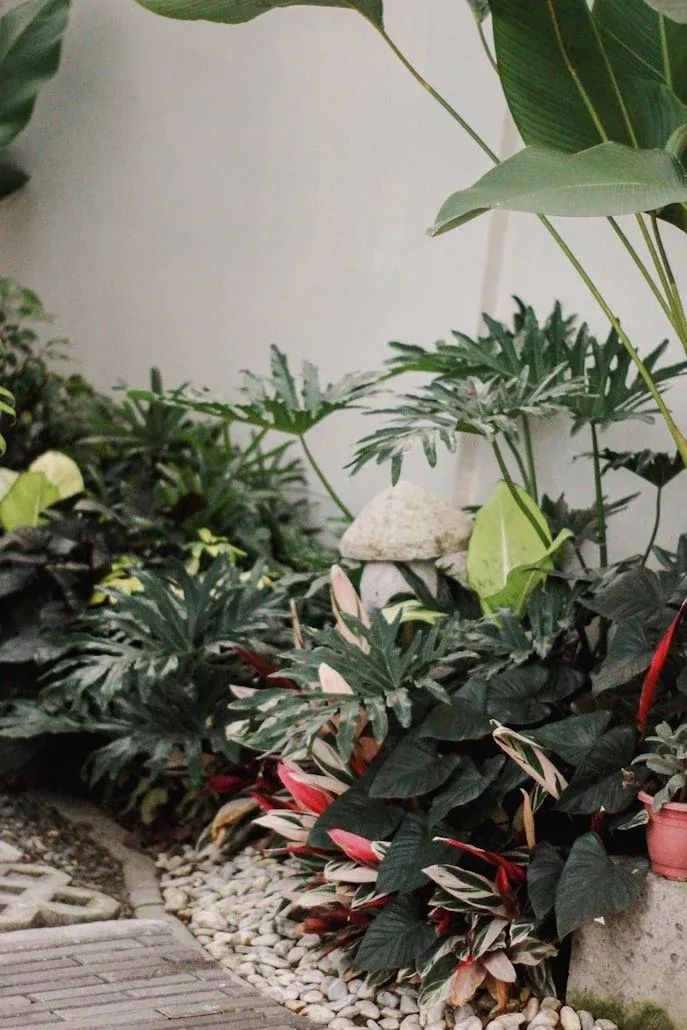
3. Native Plants: The Backbone of Sustainable Architecture
Contemporary eco-friendly home designs heavily incorporate native plants for two pivotal reasons:
A. Water Resource Management
In sustainable building practices, native plants play a crucial role in obtaining certifications like LEED. Their low water requirements make them ideal for effective water management, particularly in drought-sensitive regions.
B. Enhancing Energy Efficiency
Strategically placed native trees and shrubs can create a protective microclimate around a home.
- Cooling in Summer: Native trees provide natural shade, reducing air conditioning needs.
- Winter Protection: Evergreens serve as windbreaks, retaining warmth within the home. This natural insulation contributes to lower energy usage and cost savings.
4. Cultural and Visual Appeal of Native Gardens
Opting for native plants goes beyond ecological benefits—it celebrates regional identity. These gardens resonate with the indigenous botanical culture, offering a distinct “sense of place” that generic garden designs cannot replicate.
5. Initiating Your Native Plant Journey
- Identify Your Zone: Utilize resources from local universities or botanical gardens to discover plants native to your area.
- Begin Modestly: Transform a small section of your lawn into a vibrant “Pollinator Pocket” brimming with native wildflowers.
- Observe Nature’s Response: Notice how quickly local wildlife, such as bees and birds, are drawn back to your garden, often within the first growing season!
FAQ: Common Queries
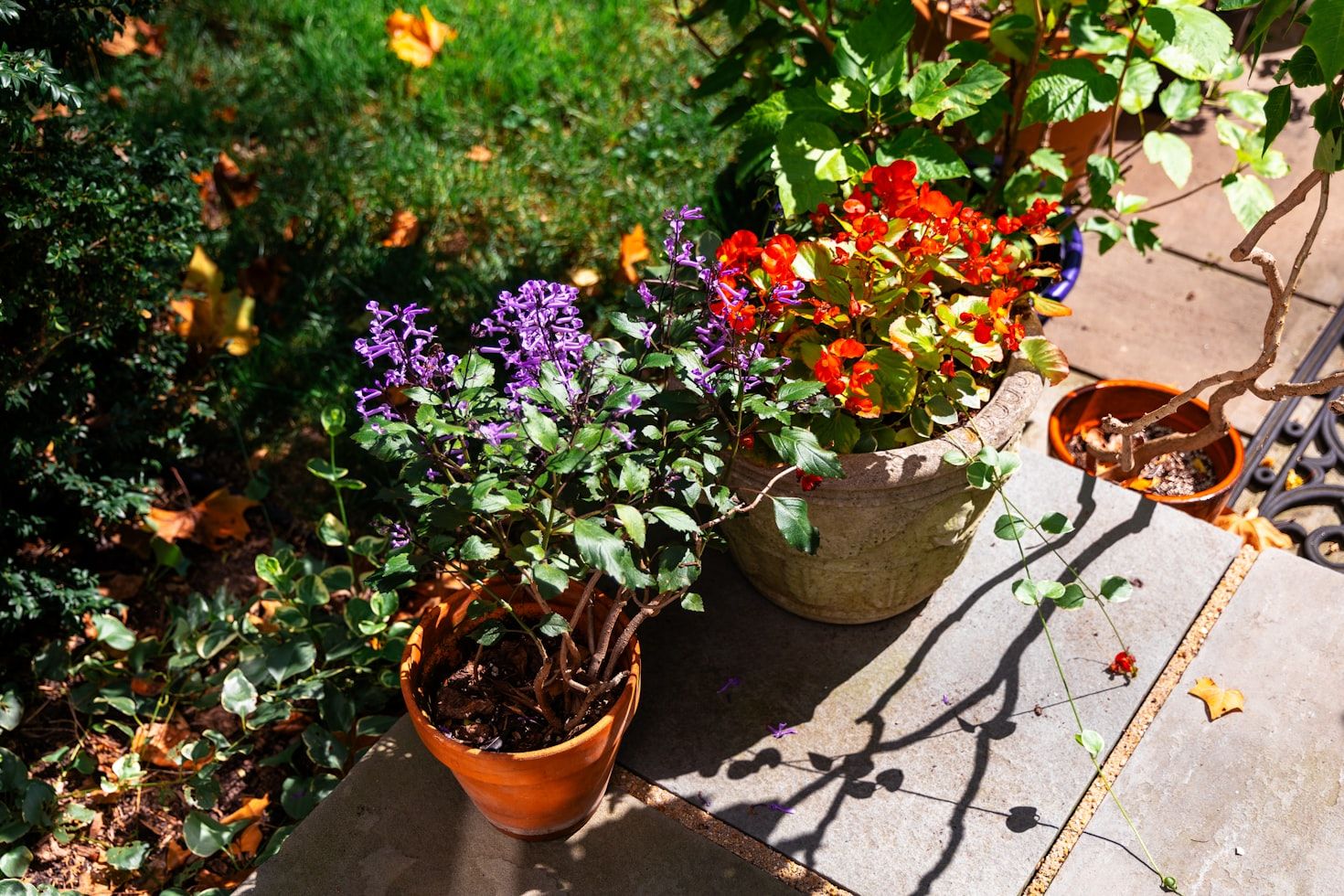
Q: Are native plants unsightly or weedy? A: Absolutely not! Many beloved garden staples, including Coneflowers (Echinacea) and certain Lilies and Maples, are native to various locales. With thoughtful design, a native garden can be as aesthetically pleasing as any formal garden.
Q: Do native plants require no care at all? A: While they demand significantly less maintenance, initial care such as watering during the first year and occasional pruning is necessary. Once established, they become largely self-sufficient.
Q: Where can I source native plants? A: Seek out “Native Plant Nurseries” or attend local plant sales organized by conservation groups. Increasingly, larger retail stores are also labeling plants as “Regionally Appropriate.”