Key Insights
- Approach: Streamlined Urban Bokashi-Soil Blend with a Vegan Emphasis.
- Essential Ratio: Uphold a 2:1 Carbon (Browns) to Nitrogen (Greens) ratio for optimal moisture management.
- The Technique: Incorporate a foam container with a dry soil foundation to absorb leachate and eliminate unpleasant odors.
- Guiding Principle: Avoid oils, salts, and spices; generously use EM microorganisms for effective fermentation.
Transforming Kitchen Scraps into Fertile Soil
After exploring numerous composting methods on a compact city balcony, I’ve honed a simplistic strategy that truly delivers. If you’re weary of discarding damp kitchen waste and eager to rejuvenate old potting soil, this guide is your path forward. This “Odorless” technique utilizes everyday items like foam boxes and EM microorganisms to transform waste into premium organic fertilizer.
1. Assembling the Urban Compost Kit
To kickstart your city compost pile, a balance between “Greens” (Nitrogen) and “Browns” (Carbon) is crucial.
| Category | Materials | Purpose |
| Nitrogen (Greens) | Chopped vegan kitchen waste (e.g., fruit peels, vegetable scraps). | Supplies nutrients and moisture. |
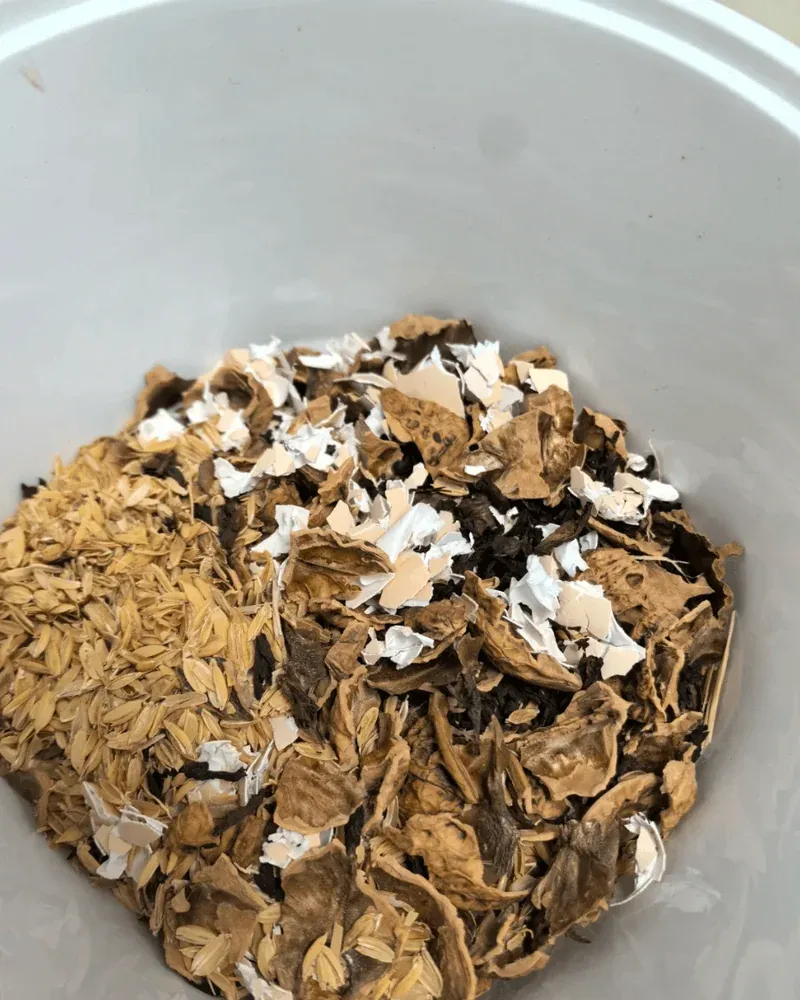
| Carbon (Browns) | Dry leaves, rice husks, sawdust, or shredded cardboard. | Regulates moisture and neutralizes odors. |
| Base/Cover Soil | Used garden soil, coco peat, or peat moss. | Serves as a bio-filter and habitat for microbes. |
| The Accelerator | EM Microorganisms (Effective Microorganisms). | Speeds up decomposition and deters harmful bacteria. |
| The Container | Foam box or insulated shipping bags. | Conserves heat and controls moisture. |
Optional Enhancers:
- Crushed Eggshells: Adds Calcium and Phosphorus.
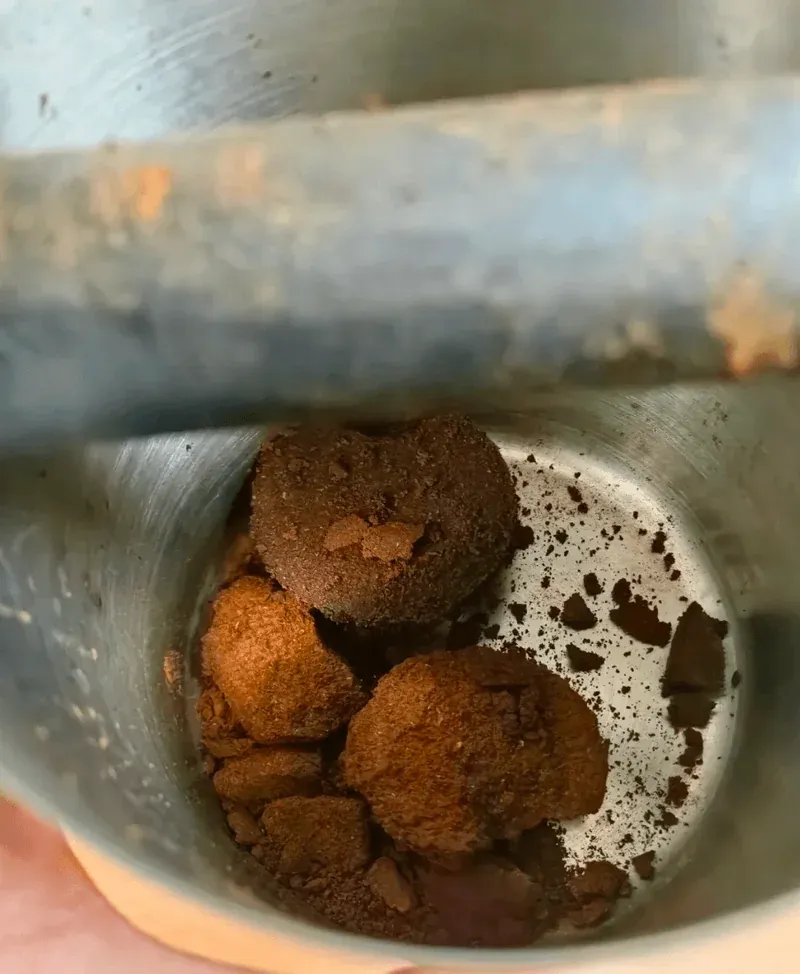
- Coffee Grounds: Elevates the compost pile’s temperature.
- Used Tea Leaves: Extra Nitrogen source.
2. Implementing the Simple Process Step-by-Step
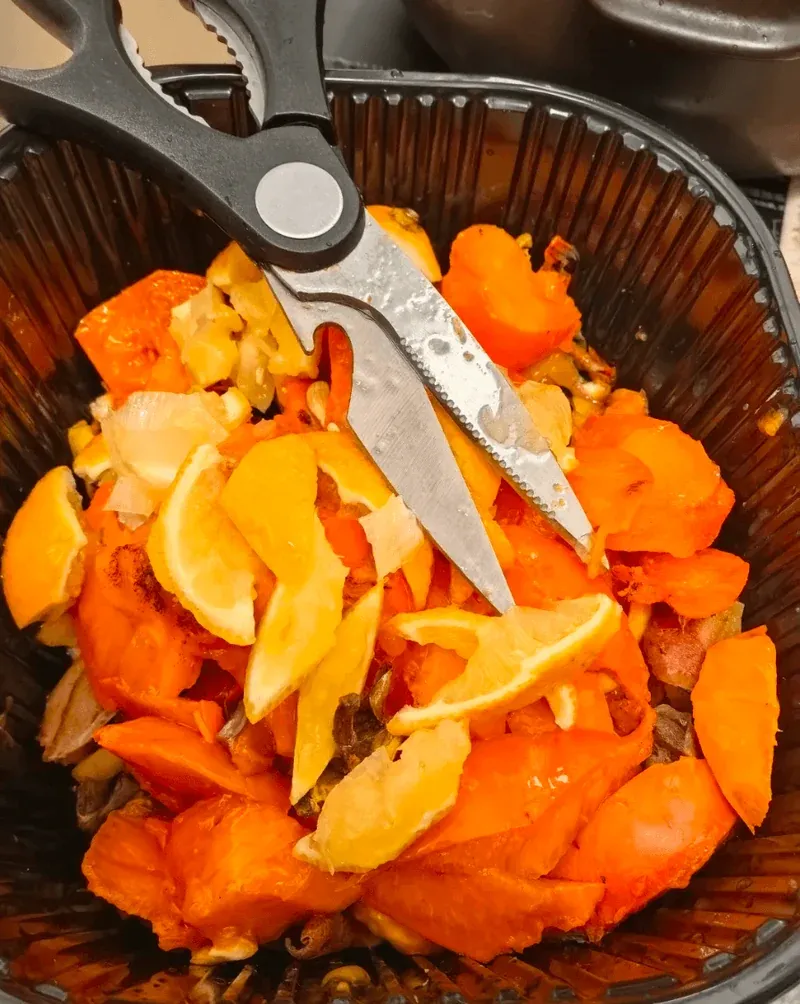
Step 1: Crafting the Mixture (The 2:1 Principle)
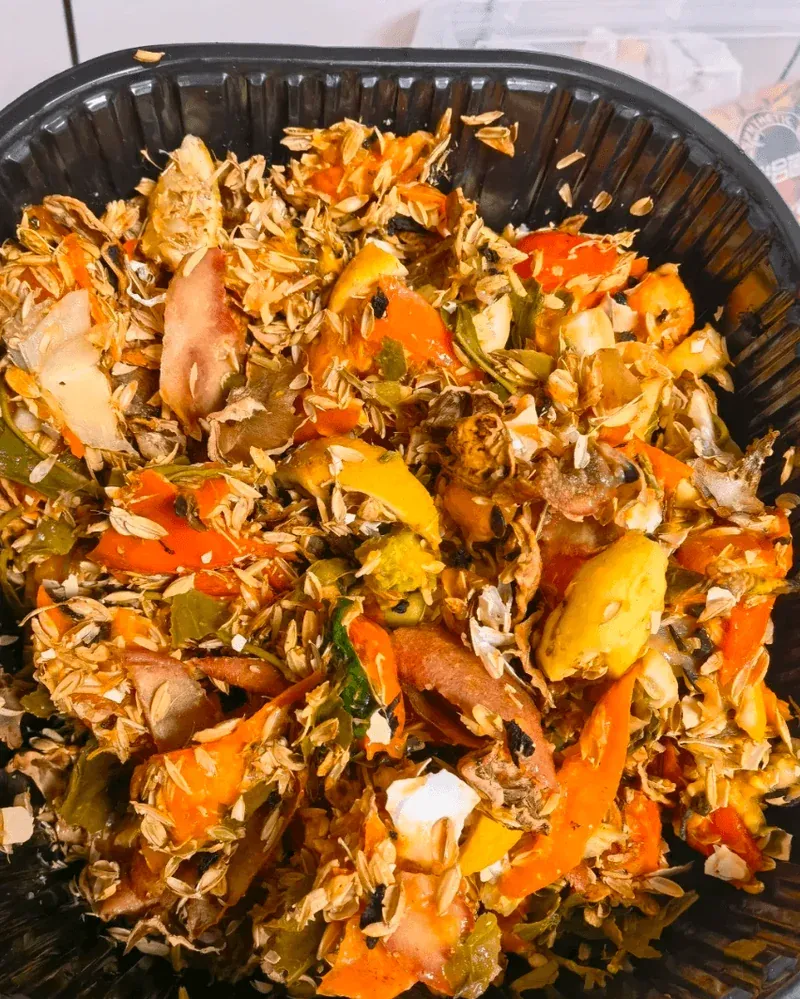
Combine your shredded vegan materials with your Carbon sources.
- Ratio: Maintain at least 2 parts Carbon to 1 part Nitrogen.
- Consistency Check: The mix should be damp but not soggy. A handful squeezed should form a ball that crumbles easily, akin to a damp sponge.
Step 2: Creating the Absorption Base
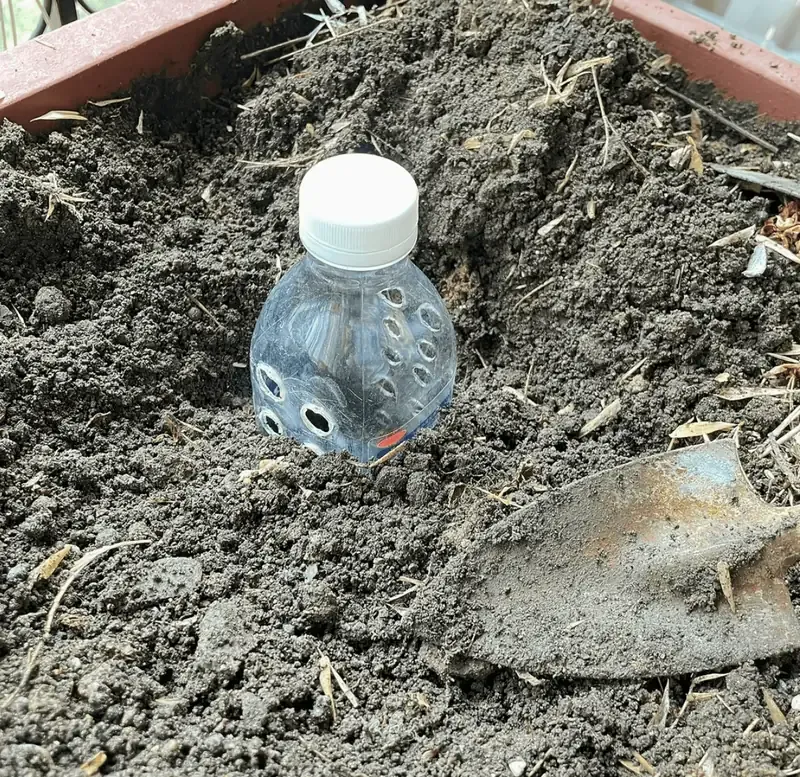
Layer the bottom of your foam container with dry soil. This crucial step for apartment residents absorbs excess liquid (leachate) that would otherwise cause anaerobic, smelly conditions.
Step 3: Filling the Container
Introduce your combined materials from Step 1 into the container. If using EM microorganisms, generously sprinkle a layer every 5-8cm.
Step 4: Applying the Bio-Filter Layer
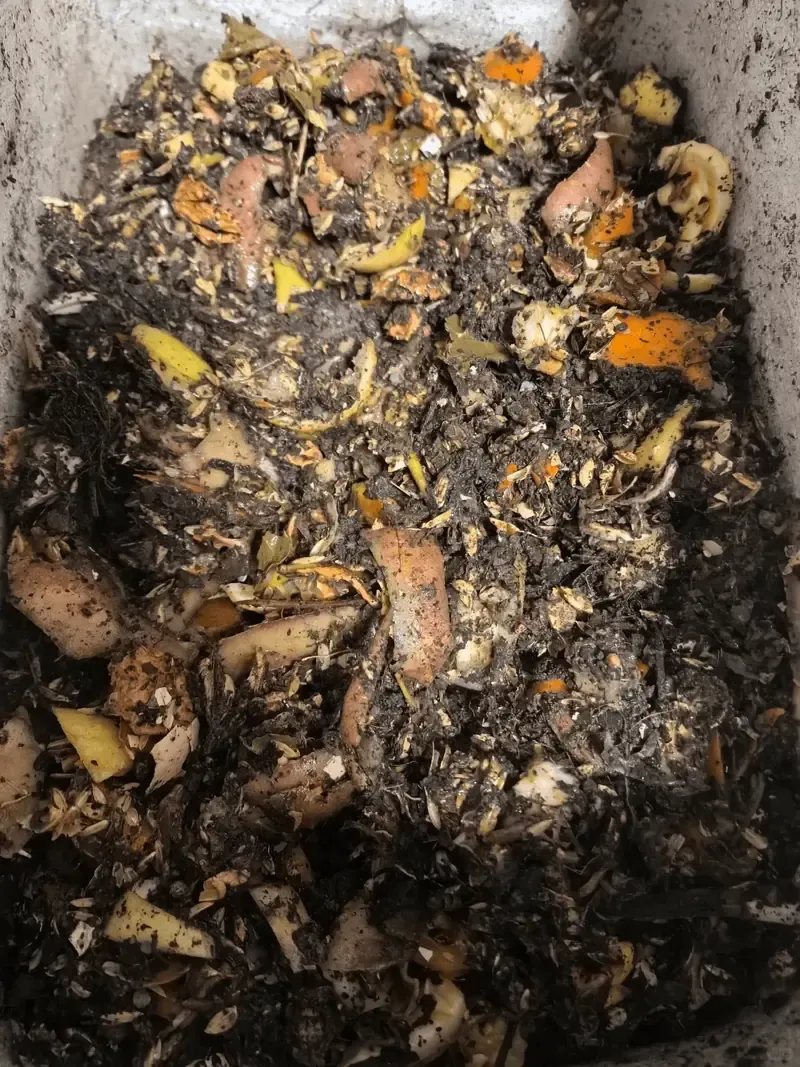
Add a minimum of 2cm of dry soil on top. This acts as a deterrent against pests like fruit flies, gnats, or ants.
Step 5: Regular Maintenance
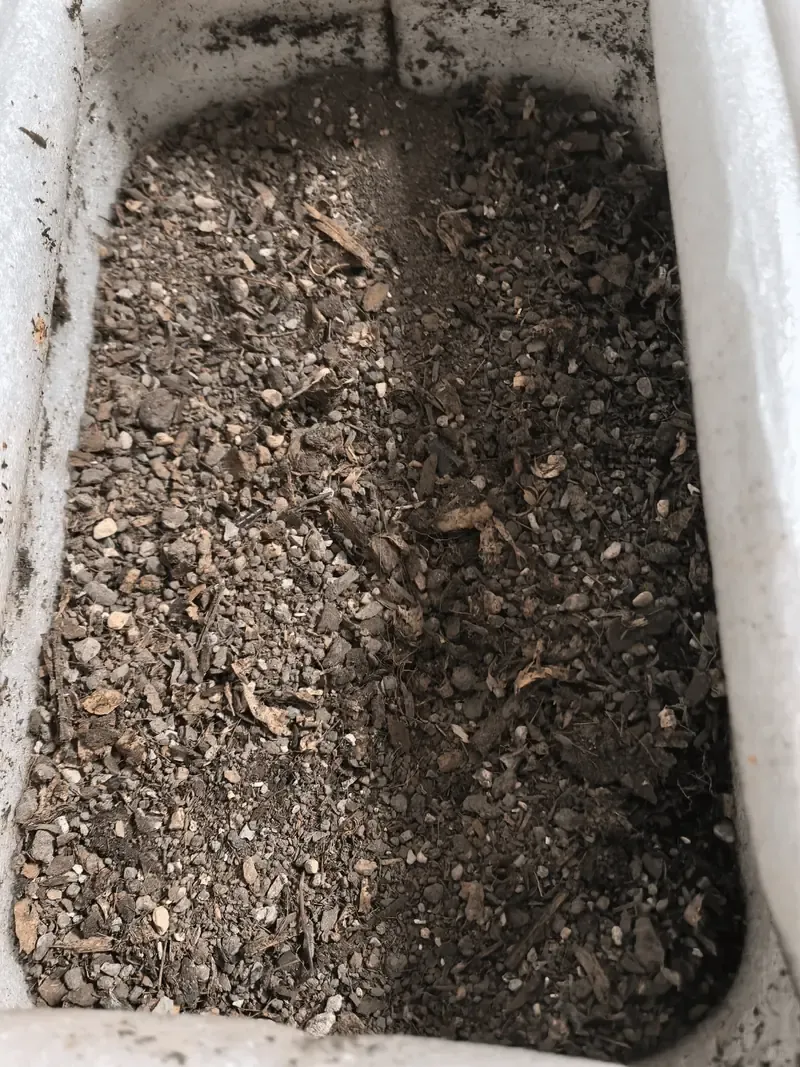
Seal the container. During sunny days, open the lid briefly to allow sunlight, which helps eliminate larvae and boosts microbial processes. In about 2-3 months, you’ll have dark, crumbly soil rich in nutrients.
3. Common Pitfalls and How to Avoid Them
From my experiments, these are the four critical guidelines for maintaining a fresh-smelling compost:
- Avoid Oils, Salt, or Spices: These hinder EM microorganisms. Oils obstruct oxygen, and salt destroys the beneficial microbes. Stick to Vegan Scraps for best results.
- Temperature Regulation: Maintain the compost between 20°C and 35°C. Avoid prolonged exposure to intense midday sun, but keep it warm and shaded on your balcony.
- Moisture Regulation: If you detect a rotten egg odor, the pile is too wet. Mix in more “Browns” (like shredded cardboard or dry leaves) and dry soil immediately.
- Use Sufficient EM: EM microorganisms are your “beneficial allies.” Insufficient quantities allow harmful bacteria to thrive. Look for healthy white mycelium (white fuzzy mold)—a positive indicator!
4. Frequently Asked Questions
Q: Is it okay to add meat or dairy to this foam box method? A: While Bokashi can technically process meat, doing so in an apartment increases the likelihood of odors and pests. For those just starting, a Vegan-only waste list is recommended.
Q: What should I do if I notice small gnats? A: This suggests your top soil layer is inadequate, or the pile is too moist. Add extra dry soil and ensure the lid is tightly closed.
Q: How can I tell when the compost is ready? A: The original scraps will have decomposed beyond recognition, and the mixture will resemble and smell like rich, earthy forest soil.