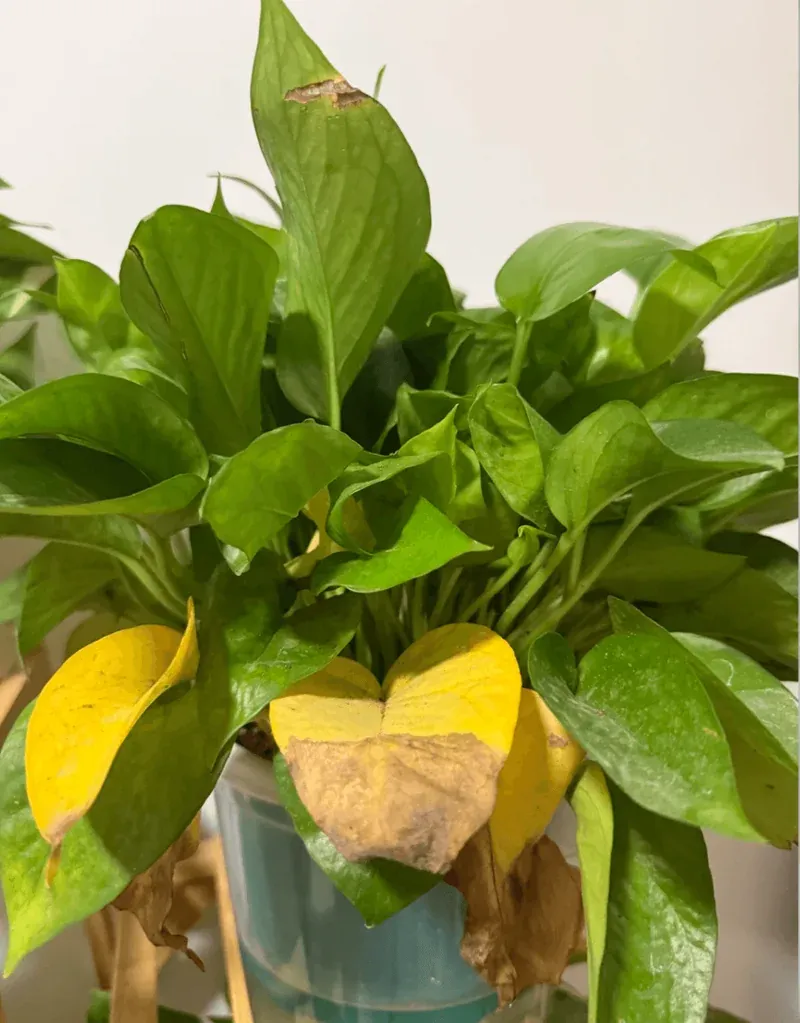
We’ve all experienced that moment of concern when encountering a yellow leaf on a beloved plant. Before you hastily increase watering or discard the plant, pause for a moment. A yellow leaf, or what experts term Chlorosis, is essentially your plant’s distress signal.
Understanding this signal is crucial. Is your plant pleading for help, or is it simply part of its natural cycle? Let’s explore how to interpret what your plant is trying to communicate.
📌 Essential Insights
- Most Common Issue: Excessive watering is often the main reason behind yellow leaves—roots require air just as much as water.
- Observation is Key: The location of yellowing (edges, veins, or the base of the plant) provides clues to the underlying issue.
- Irreversible Change: Once a leaf turns yellow completely, it won’t revert to green. Your aim should be to preserve the rest of the plant.
- Natural Shedding: A solitary yellowing leaf at the bottom of the plant, while the rest are healthy, indicates normal aging.
🧭 Leaf Distress Translation Guide
| Leaf Condition | Probable Cause | Immediate Action |
|---|---|---|
| Yellow + Soft/Mushy | Overwatering or Root Rot | Cease watering right away; inspect roots for sogginess. |
| Yellow + Brown/Crispy Edges | Underwatering | Deeply water the plant; monitor soil moisture regularly. |
| Yellow Leaf with Green Veins | Iron or Nutrient Deficiency | Apply a balanced fertilizer or chelated iron supplement. |
| Entire Leaf Turns Pale Yellow | Nitrogen Deficiency | Incorporate organic compost or apply a high-nitrogen fertilizer. |
| Yellowing on One Side Only | Uneven Light Exposure | Rotate the plant pot 90 degrees weekly. |
| Yellow Spots + Tiny Webs | Pests, likely Spider Mites | Clean leaves using neem oil or soapy water solution. |
🔍 Detailed Examination: The Four Major Plant Distress Signals
💧 1. The “Suffocation” Signal (Overwatering)
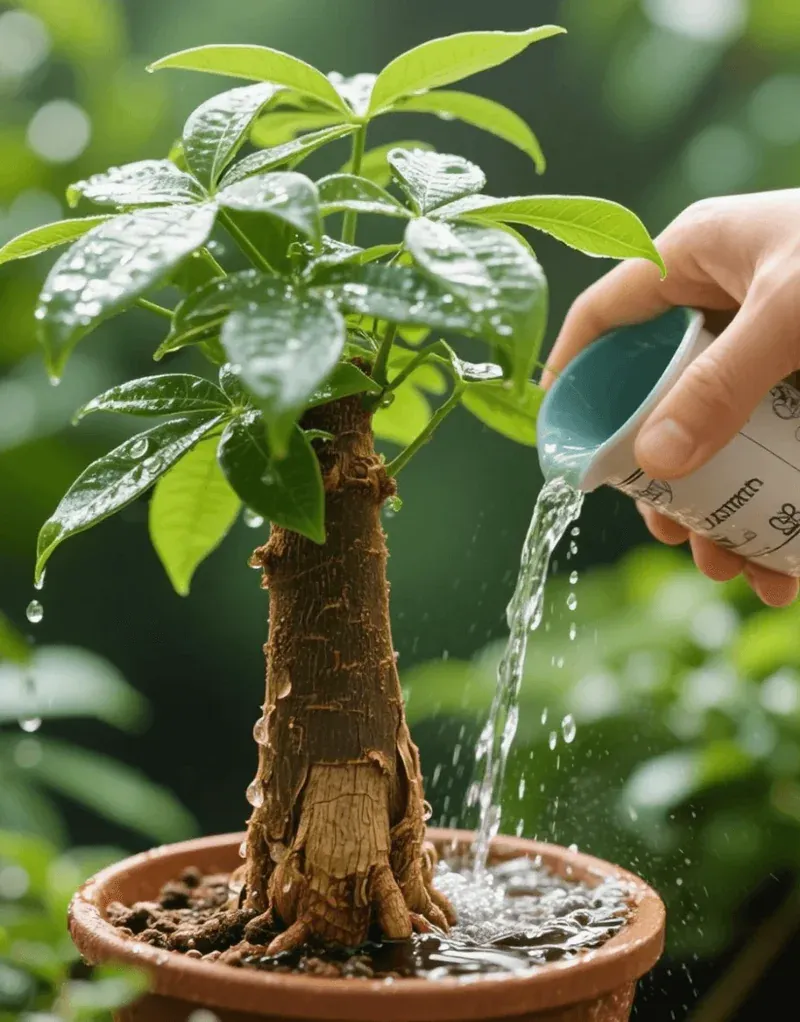
Overwatering is a subtle but dangerous threat. When the soil is waterlogged, roots are deprived of oxygen, leading to decay.
Symptoms: Leaves become yellow, appear limp, and may feel swollen; soil emits a slightly sour odor.
Solution: Gently remove the plant from its pot. If roots are blackened and slimy, prune them to healthy white parts and repot in fresh, well-draining soil.
🍽️ 2. The “Nutrient Starvation” Signal (Deficiency)
While plants “consume” light, they also require essential nutrients akin to a multivitamin diet.
- Symptoms: “Interveinal Chlorosis”—leaves turn yellow, but veins remain green, often due to a lack of Iron or Magnesium.
- Solution: Assess soil pH levels. If too high, nutrients become inaccessible to the plant. Use liquid fertilizer for a quick nutrient boost.
☀️ 3. The “Light Distress” Signal (Imbalanced Light)
- Insufficient Light: Inadequate light reduces chlorophyll production, making the plant look pale and elongated.
- Excessive Light (Sunburn): If you notice bleached patches facing the window, the plant is likely sunburned.
- Solution: Relocate the plant about 2 feet away from the window or use a sheer curtain to diffuse sunlight.
🌡️ 4. The “Temperature Shock” Signal
Plants are sensitive to abrupt climate changes.
Symptoms: Rapid yellowing following relocation or the onset of winter.
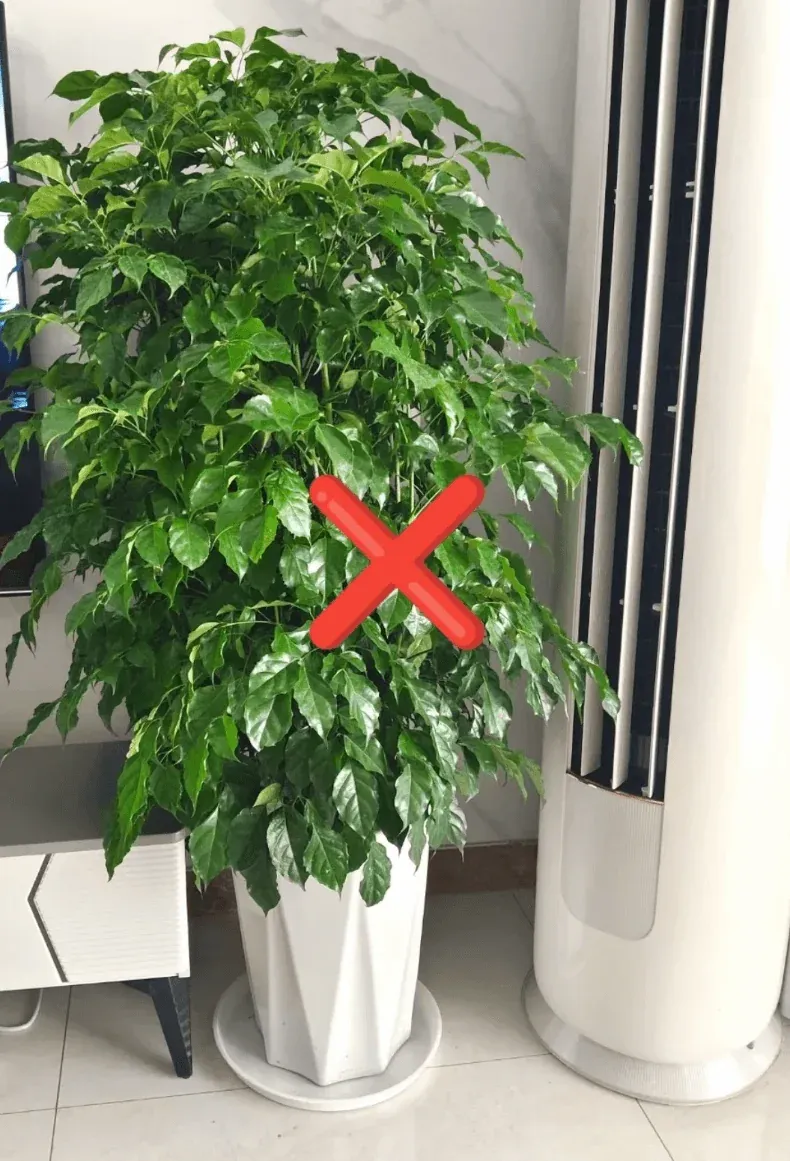
Solution: Keep plants away from drafts, AC vents, and heaters. Maintaining a stable environment is vital for plant health.
✂️ Should You Remove Yellow Leaves?
Absolutely. Once a leaf has lost its chlorophyll, it no longer contributes to the plant’s energy production and becomes a drain instead.
- Utilize sterilized scissors to prevent disease transmission.
- Clip the leaf at the stem’s base.
- This action allows the plant to concentrate its resources on producing new, vibrant leaves.
❓ FAQ: Common Inquiries
Q: Can I use coffee grounds to treat yellow leaves? A: Caution is advised! While coffee provides nitrogen, it can also overly acidify the soil for some plants. Until you’re more experienced, rely on commercially available balanced fertilizers.
Q: Why is my plant yellowing after repotting? A: This is known as Transplant Shock. It’s a reaction to root disturbance. Position the plant in a shaded area and avoid fertilizing for 2-3 weeks to allow it to adjust.
Q: Does yellowing indicate “hard water” usage? A: Possibly! Elevated chlorine or fluoride levels in tap water can lead to yellow or brown tips, particularly in Spider Plants and Dracaenas. Consider using distilled water or rainwater.