Key Insights
- Optimal Varieties: Pick “Determinate” types for container gardening to prevent unruly growth.
- Deep Planting Technique: Embed two-thirds of the stem to promote a robust root network.
- Enhancing Taste: Once tomatoes start changing color, reduce watering to intensify sweetness.
- Sunlight Needs: Ensure at least 8 hours of direct sunlight for the best-tasting tomatoes.
Introduction: The Supermarket Conundrum
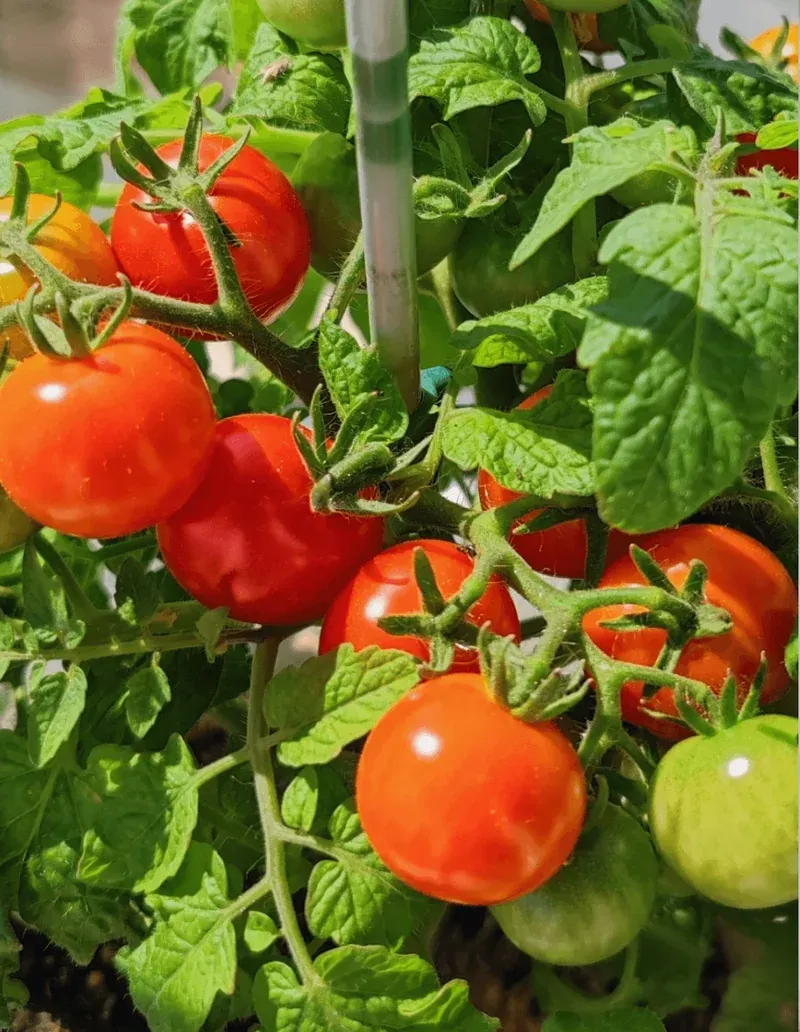
Supermarket tomatoes often disappoint with their lack of flavor despite their appealing appearance. These tomatoes are bred for durability in transportation rather than taste, often picked before ripening and artificially ripened with ethylene gas. Growing your own tomatoes lets you harvest at the peak of ripeness, ensuring a taste explosion with every bite.
1. Selecting the Best: Container-Friendly Tomato Varieties
Not every tomato is suited for small-space gardening. Distinguish between “Bush” and “Vining” varieties when selecting seeds for your urban garden.
| Category | Type | Best For | Typical Size | Days to Harvest |
| Determinate | Bush (e.g., Roma, Patio Choice) | Compact spaces like balconies. | Approximately 60–90 cm tall. | Roughly 60–70 Days |
| Indeterminate | Vining (e.g., Cherry, Heirloom) | Larger pots with support. | About 2 meters or more. | 75–90 Days |
| Micro-Dwarf | Tiny Bush (e.g., Tiny Tim) | Windowsills and small planters. | 20–30 cm tall. | 50–60 Days |
- Expert Tip: Beginners should consider Cherry Tomatoes like “Sun Gold” as they are easy to grow and highly productive.
2. Mastering the “Super-Root” Planting Strategy
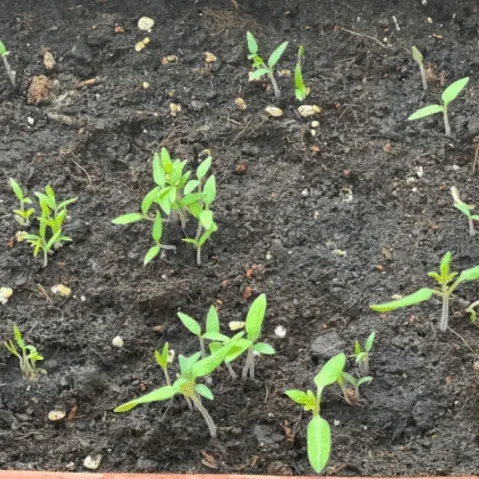
Many novice gardeners make the mistake of planting tomatoes too shallow. However, tomatoes can develop roots along their stems, which offers a significant advantage.
- Remove Lower Leaves: Begin by pinching off the lower sets of leaves from your seedling.
- Deep Planting: Position the plant deeply in a 5-gallon (20-liter) container, allowing only the top leaves to remain above ground.
- Outcome: This method fosters a stronger root system, capable of enduring heat and better nutrient absorption.
3. Crafting the “Flavor & Health” Care Routine
- ☀️ Sunlight (The Power Source): Tomatoes need ample sunlight. If sunlight is limited, use reflective materials to enhance exposure.
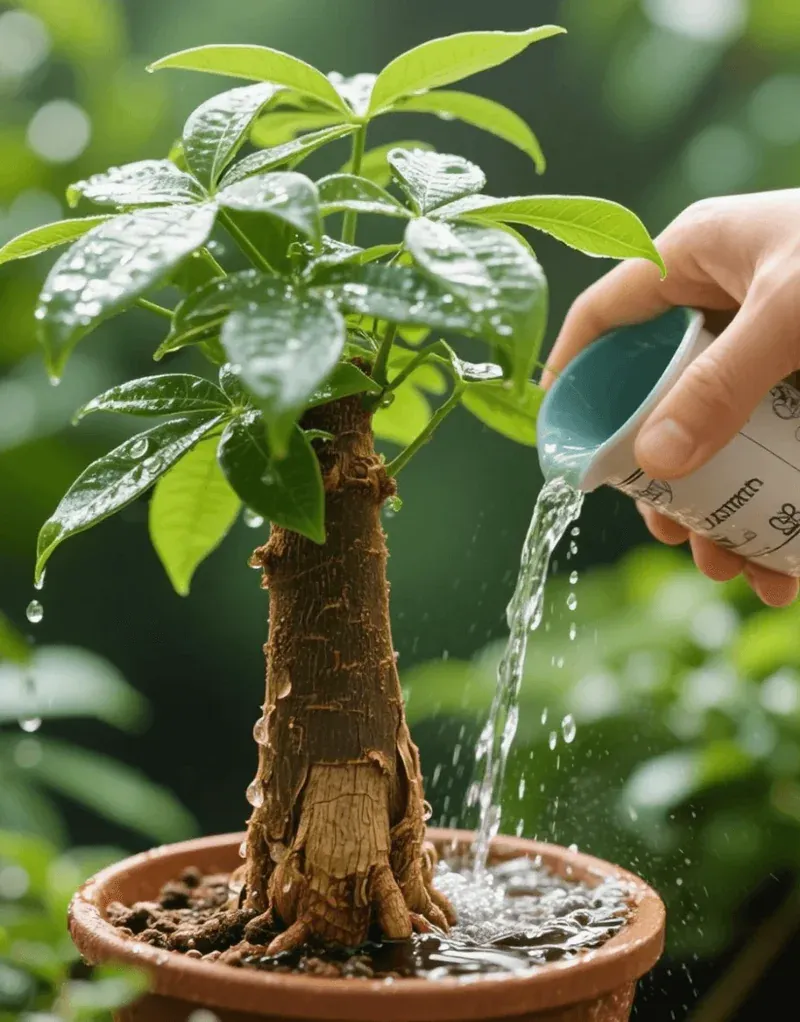
- 💧 Water (The Sweetness Strategy): Maintain consistent moisture as fruits develop. However, as they begin to color, reduce watering to enhance sugar concentration in the fruits.
- 🍴 Nutrition (Balancing Act):
- Initial Growth: Focus on Nitrogen (N) for foliage.
- Blooming Phase: Shift to higher Phosphorus (P) and Potassium (K) levels, such as a 5-10-10 mix, to boost fruit production.
4. Essential Tips to Dodge Common Pitfalls
- Preventing “Blossom End Rot”: If the base of your tomato turns black, it’s likely due to a lack of Calcium, often from inconsistent watering. Keep soil moisture even.
- Ensure Adequate Airflow: Avoid overcrowding pots. Proper airflow helps prevent “Blight,” a fungal disease.
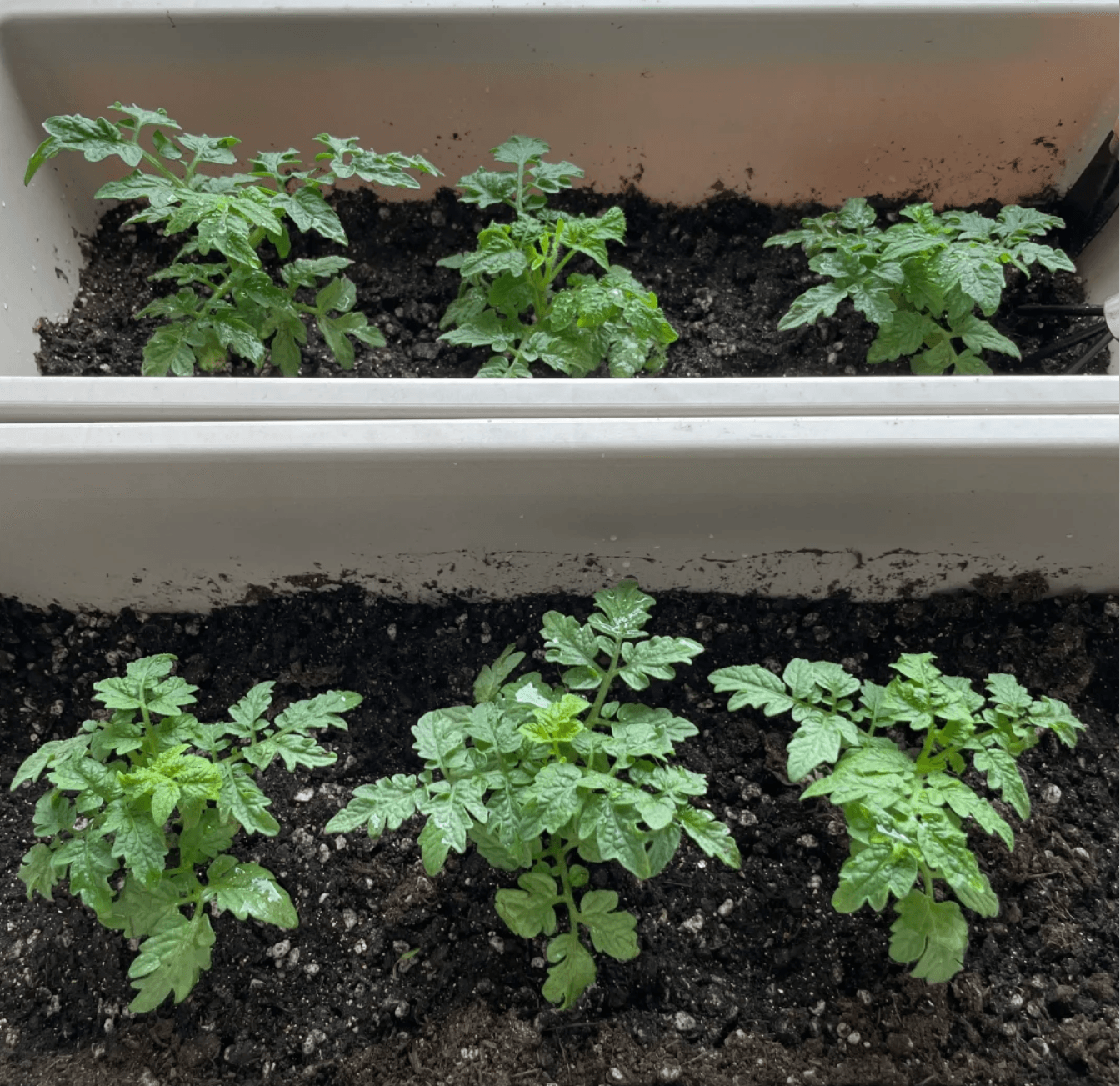
- Early Support: Even compact varieties benefit from support. Add stakes or cages at planting to avoid disturbing roots later.
FAQ: Common Questions
Q: Why are my tomato flowers dropping without setting fruit? A: This condition, known as “Blossom Drop,” can occur if temperatures exceed 32°C/90°F or due to inadequate pollination. To aid pollination, gently shake the plants every morning since tomatoes self-pollinate.
Q: What’s the ideal pot size for my tomatoes? A: A 5-gallon (20L) container with drainage is optimal for most varieties to prevent stunted growth and flavorless fruit.
Q: Can I cultivate tomatoes from store-bought slices? A: It’s possible, though risky. Store tomatoes are often “F1 Hybrids,” meaning their offspring may differ significantly in taste and form. Purchasing “Heirloom” seeds offers more reliable results.