Key Insights
- Sunlight Essentials: A minimum of 6 hours of sunlight is crucial for most herbs, with south-facing windows being ideal.
- Mint’s Solo Act: Mint should be planted in its own pot due to its vigorous growth pattern that can overwhelm other herbs.
- Basil’s Growth Hack: Regularly trimming the tops of Basil encourages a bushier plant and prevents flowering.
- Rosemary’s Preferences: Rosemary prefers dry feet, so using a terracotta pot helps excess moisture dissipate.
Introduction: Your Personal Flavor Haven
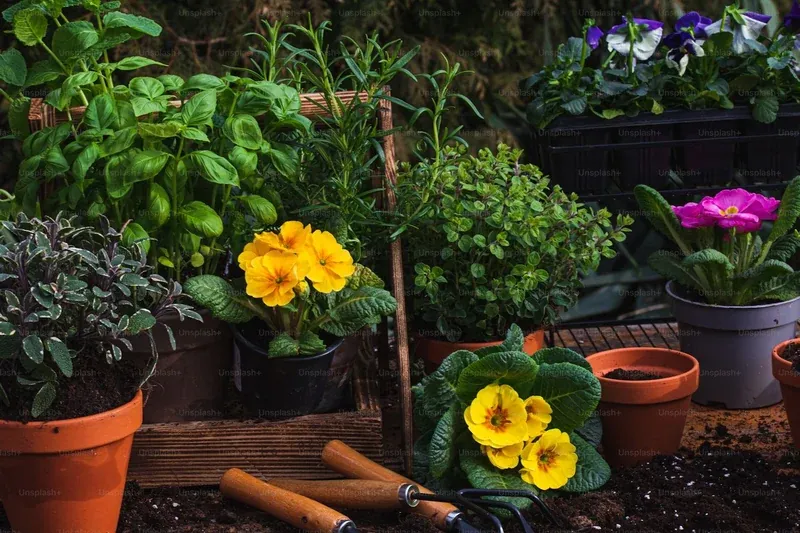
Imagine the pleasure of plucking fresh herbs from your windowsill to elevate your culinary creations. Growing herbs indoors is an inviting introduction to gardening, offering high rewards in compact spaces while saving on store-bought alternatives. Let’s explore how to cultivate the essential trio of Basil, Mint, and Rosemary in your kitchen.
1. The Essential Trio: Characteristics and Needs
| Herb | Character | Light Requirements | Watering Needs | Optimal Soil |
| Basil | The "Sun Lover" | 6-8 hours (Direct) | Frequent (Keep moist) | Nutrient-rich, organic potting mix. |
| Mint | The "Garden Invader" | 4-6 hours (Partial) | Frequent (Do not let dry) | Moisture-retaining, all-purpose soil. |
| Rosemary | The "Desert Survivor" | 6-8 hours (Direct) | Infrequent (Let dry out) | Well-draining, gritty mix (Incorporate sand). |
- Orientation Insight: For those in the Northern Hemisphere, a south-facing window is optimal. North-facing windows may require supplemental lighting with an LED grow light to prevent legginess.
2. In-Depth Care for Each Herb
🍃 Basil (The Pesto Maestro)
Basil thrives in warmth and dislikes cold breezes.
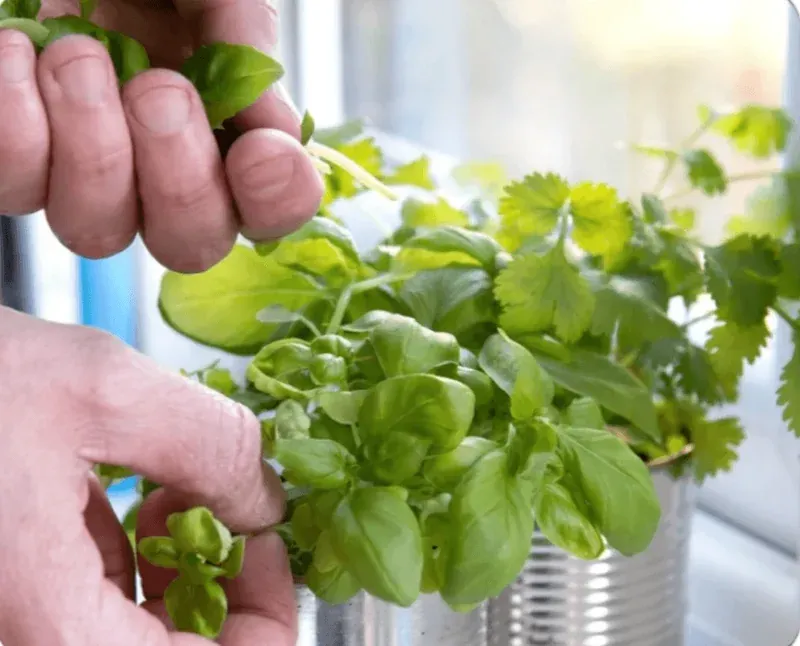
- Harvesting Technique: Avoid plucking individual leaves. Instead, cut the stem just above a “node” (where two leaves emerge), prompting the growth of two new branches and amplifying your yield!
- Caution: Remove flower buds at the first sign to maintain the leaf’s flavor, as flowering leads to bitterness.
🌱 Mint (The Refreshing Dynamo)
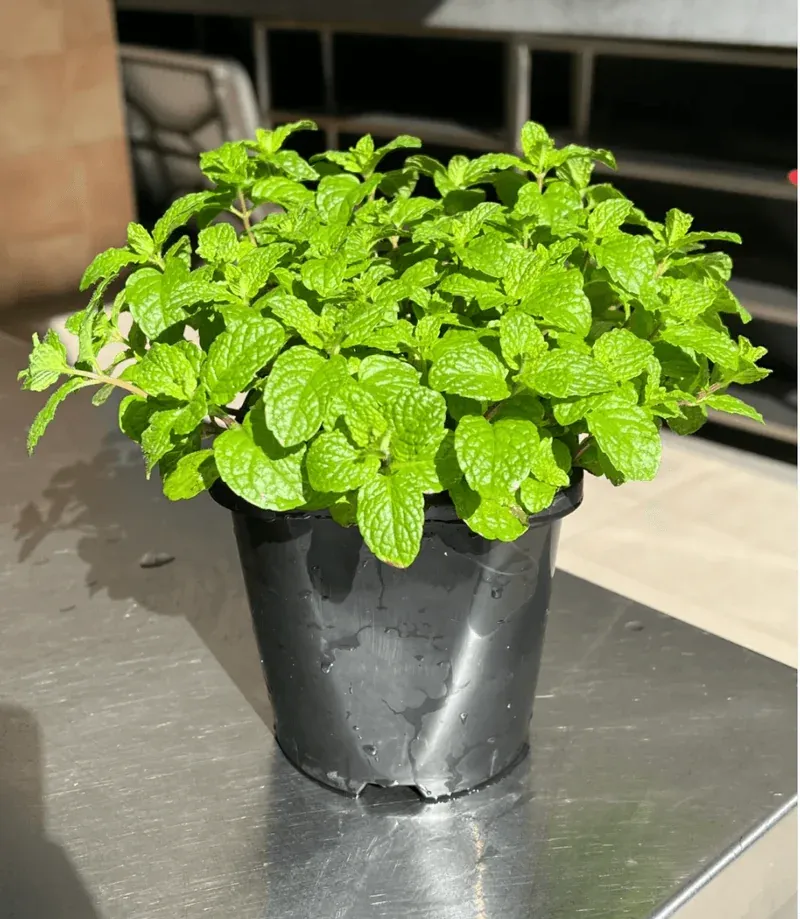
Mint is resilient, but it can spread rapidly.
- Independent Growth: Mint expands through “runners” (subterranean stems). Sharing a pot with other herbs can lead to it dominating, so it’s best kept isolated.
- Pruning Benefits: Frequent harvesting promotes lush and vibrant growth.
🌲 Rosemary (The Mediterranean Marvel)
Rosemary, a hardy shrub, prefers neglect over excess care.
- Moisture Test: Water Rosemary only when the soil’s top 2 inches are completely dry. Overwatering often results in root rot.
- Air Circulation: Ensure good airflow around Rosemary to prevent mildew, especially in humid environments. A small fan can help maintain air movement.
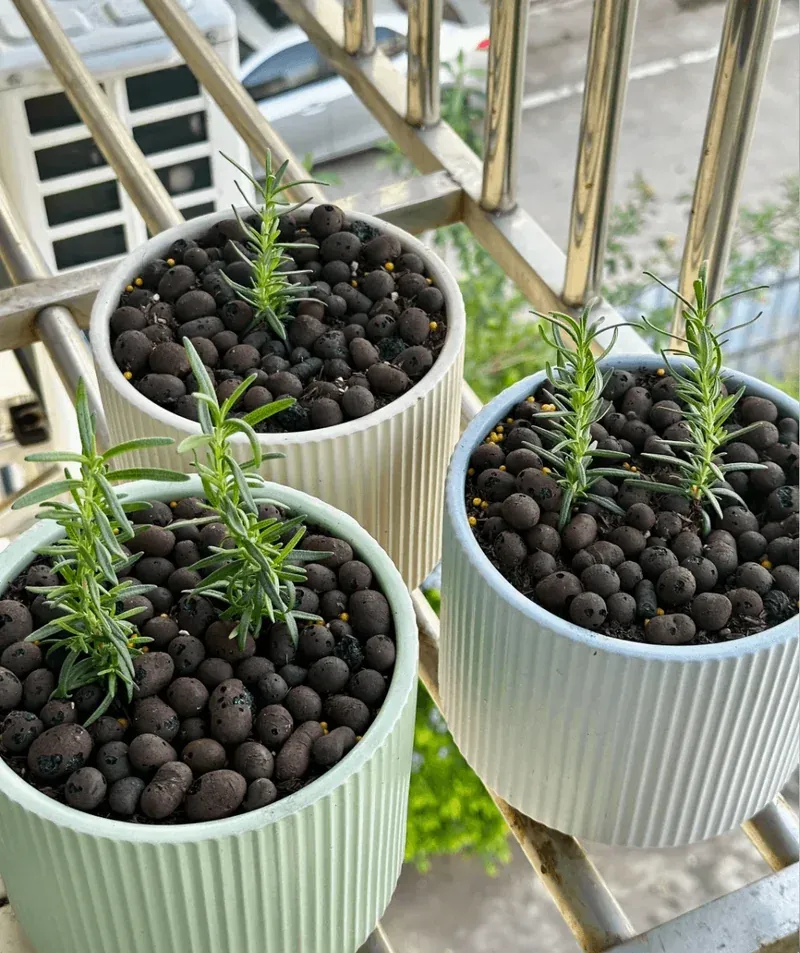
3. Tips for Thriving Indoor Herb Gardens
- Rotate Pots: Plants lean toward light. Rotate your pots a quarter turn weekly for even growth.
- Proper Drainage: Ensure pots have drainage holes and use saucers to protect surfaces. Avoid letting pots sit in water-filled saucers for extended periods.
- Moderate Feeding: Leafy herbs require minimal fertilization. A diluted organic liquid feed once a month during growing seasons suffices.
FAQ: Frequently Asked Questions
Q: Why are Basil’s lower leaves turning yellow? A: This typically indicates overwatering or low nitrogen levels. Allow the soil to dry slightly and avoid waterlogged conditions.
Q: Can supermarket “living herbs” be grown at home? A: Yes, but caution is advised. These pots often contain numerous seedlings. Separating them into individual pots ensures healthy growth.
Q: How do I tackle tiny black bugs on Mint? A: These are likely aphids. Use a gentle spray of water mixed with a teaspoon of mild dish soap to remove them without harsh chemicals.