Fast-Track Your Garden: Harvest in 30 Days
Starting a garden can feel like a daunting task, especially if you’re eager to see results quickly. For those just dipping their toes into the world of gardening, selecting fast-growing vegetables can be a game-changer. Ideal for urban spaces and small plots, these vegetables not only provide a quick harvest but also minimize pest issues due to their rapid growth cycle. Let’s explore five vegetables that can be on your plate just a month after planting.
Why Choose Quick-Growing Vegetables?
As we approach the new planting season, many newcomers are concerned about the labor and time investment gardening requires. Unlike long-term crops that demand months of care, these short-cycle options are perfect for beginners who want to enjoy gardening without the prolonged commitment.
- Rapid Results: Enjoy fresh produce in just 30 days.
- Fewer Pest Problems: Harvest before pests become a problem.
- High Yield Success: With less time for things to go wrong, the chances of a successful harvest increase.
Top 5 Fast-Growing Vegetables
| Vegetable | Ideal Temp | Spacing | Key Benefit |
| 1. Speedy Cabbage (Kuai Cai) | 15 - 35°C | Scatter sow | Harvest tender leaves in under a month. |
| 2. Tiny-leaf Chrysanthemum | 13 - 20°C | Scatter sow | Great for shaded areas; thrives in low light. |
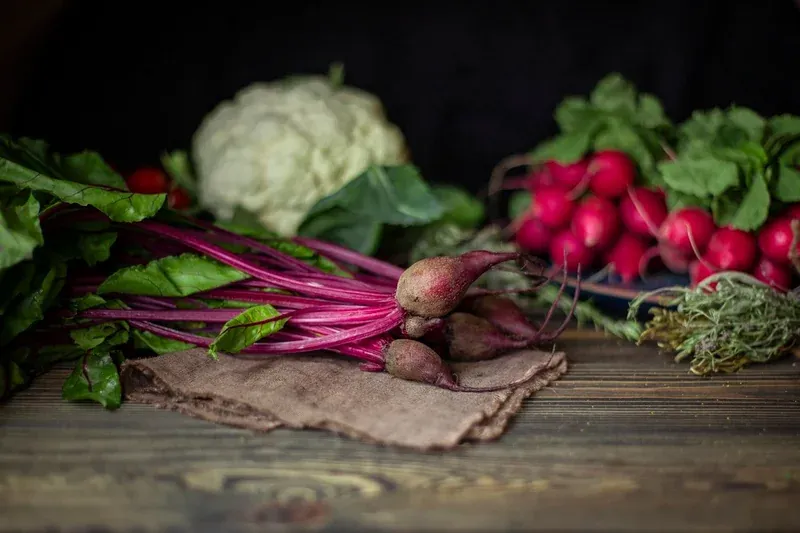
| 3. Mini Radish | 20°C + | 10cm x 20cm | Crisp, crunchy, and packed with vitamins. |
| 4. Miniature Bok Choy (Ji Mao Cai) | 15 - 25°C | Scatter sow | Fast growth deters pests naturally. |
| 5. Arugula (Rocket) | 15 - 22°C | Scatter sow | Distinctive nutty flavor; sprouts quickly. |
1. Speedy Cabbage (Kuai Cai) – Quick and Tender
This variety is cultivated for its soft, non-heading leaves, making it a favorite for quick salads and stir-fries.
- Growth Timeline: Sprouts appear in 3-5 days, with full leaves in a week.
- Planting Advice: A thin soil cover and consistent moisture are key.
- Expected Harvest: A balcony planter can yield enough for several meals within a month.
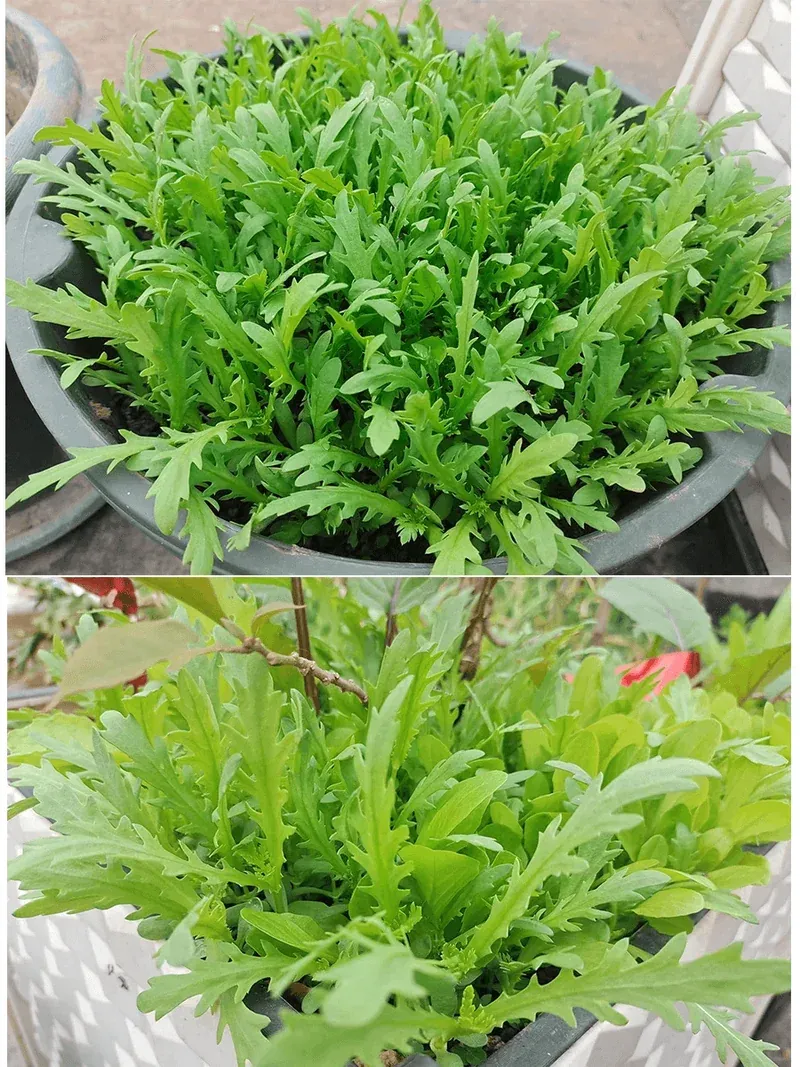
2. Tiny-leaf Chrysanthemum – Shade Lover
Perfect for cooler weather, this plant prefers less sunlight and can even thrive in partial shade.
- Growth Timeline: Optimal growth at around 20°C, avoid direct sunlight to prevent flowering.
- Planting Advice: Ensure soil is moist before sowing, and cover seeds lightly.
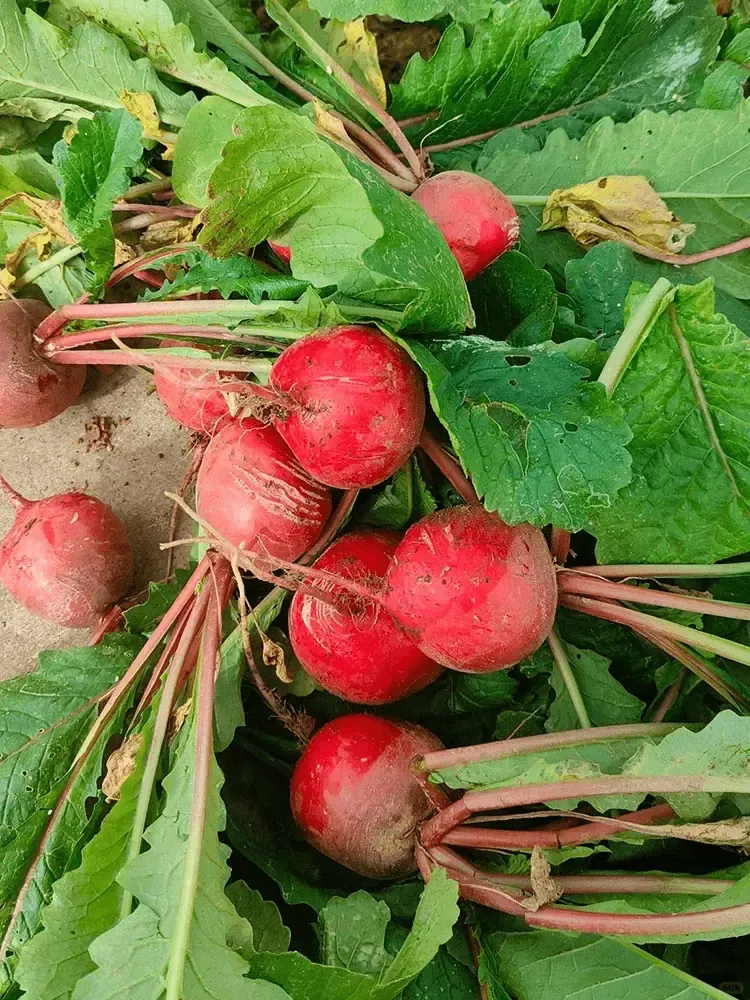
3. Mini Radish – Garden’s Crunchy Delight
Known for its crisp texture and sweet taste, the mini radish adds both flavor and color to your dishes.
- Growth Timeline: Achieves full growth in 30 days in warm conditions.
- Planting Advice: Maintain 10cm spacing for optimal bulb development. Both roots and leaves are edible.
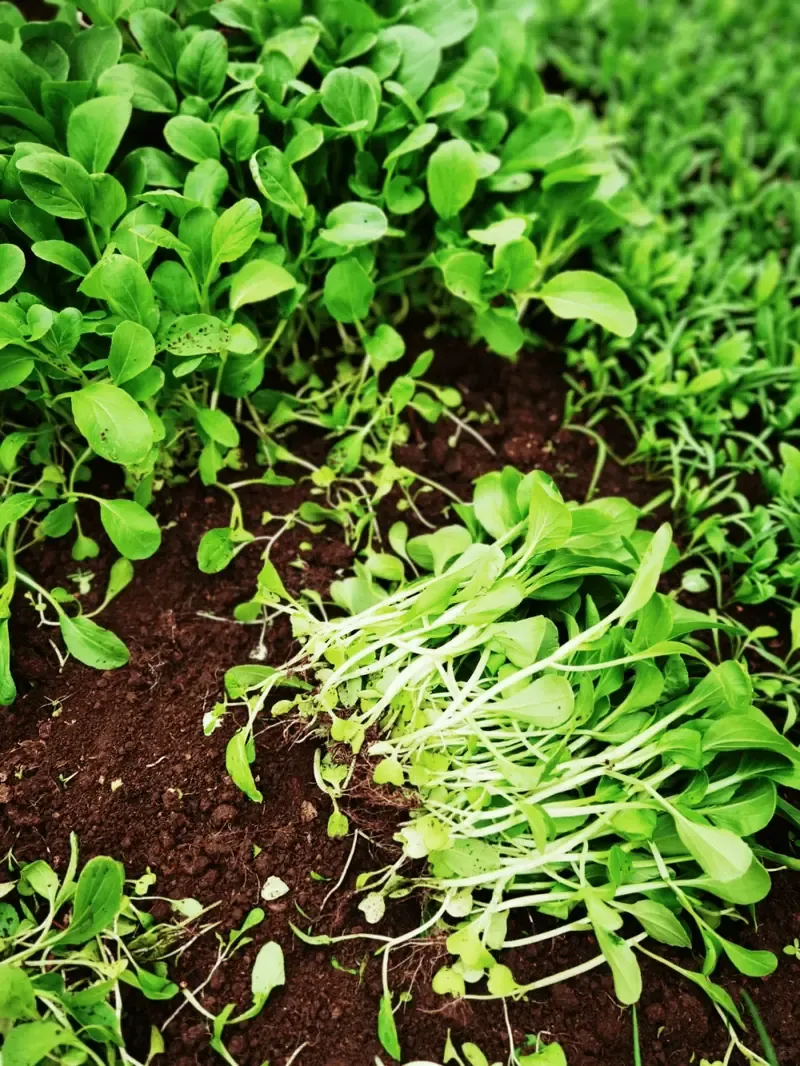
4. Miniature Bok Choy (Ji Mao Cai) – Easy Grower
This versatile green is perfect for beginners due to its resilience and rapid growth.
- Growth Timeline: Noticeable daily growth changes.
- Planting Advice: Needs regular watering; thrives even with partial sunlight.
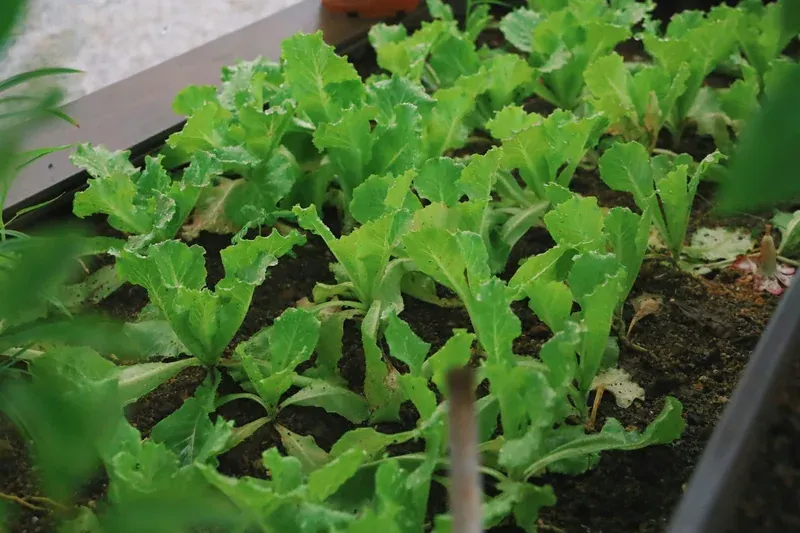
5. Arugula (Rocket) – Gourmet’s Choice
Boasting a unique taste, arugula is not just a salad staple but also a quick grower.
- Growth Timeline: Begins germination in 5 days, ready for harvest in under a month.
- Planting Advice: Use a shade net post-sowing to retain moisture, and fertilize to enhance leaf growth.
Capture Your Gardening Milestones with LeafyLog 📅
To cherish your gardening journey, document these key moments with the LeafyLog app:
- Sprouting Day: Note when the first sprouts break through the soil.
- Midway Reflection: Photograph your plants at the 15-day mark to observe their progress.
- Flavor Comparison: Compare the taste of your fresh greens with store-bought ones. You’ll likely prefer your own!
Common Questions Answered
Q: Do these vegetables require frequent fertilizing? A: Their short lifecycle means one initial compost mix is often sufficient. For Arugula and Bok Choy, a single liquid feed halfway through can boost growth.
Q: Are these plants suitable for winter growing? A: They perform best in spring or fall. In winter, they need adequate light—either natural or supplemented with grow lights.
Q: Why aren’t my radishes forming bulbs? A: This often occurs due to excessive nitrogen or temperatures exceeding 25°C. Ensure balanced soil nutrients and consistent watering.