Key Insights
- Balanced Composition: Achieving the right blend of moisture control, air circulation, and nutritional support is essential.
- Optimal Aeration: Incorporate perlite or pumice to enhance air flow and prevent root rot.
- Sustainable Practices: Consider replacing peat moss with coconut coir for an eco-friendly option.
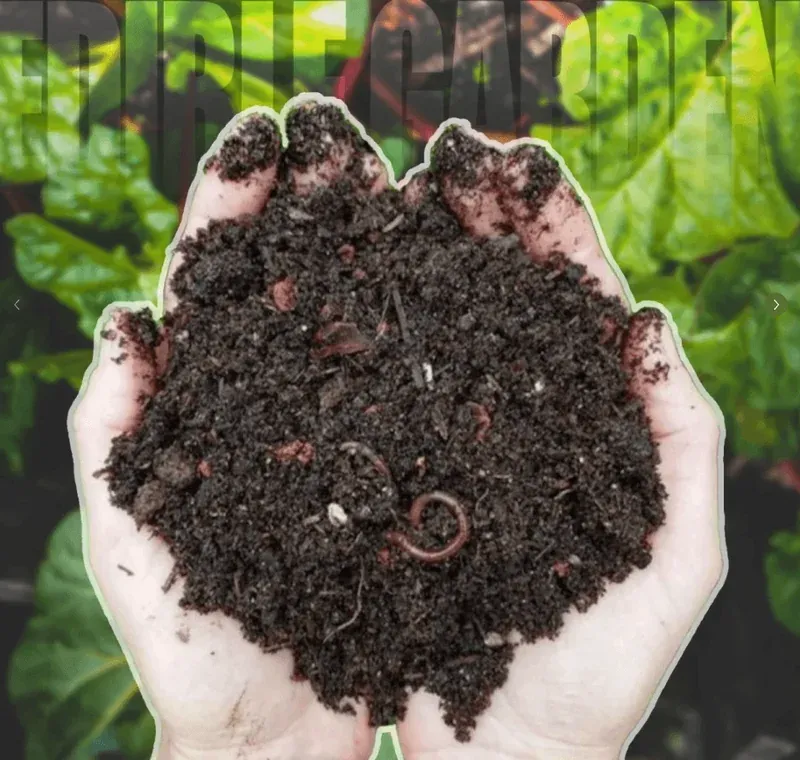
- Nutrient-Rich Soil: Integrate compost or worm castings to ensure a steady supply of nutrients.
Understanding the Importance of Potting Mix
It’s time to rethink what we call “dirt.” In the world of container gardening, soil functions as a vital support system. Conventional garden soil can be too dense, leading to poor root development and plant stress. A top-notch, well-draining potting mix serves dual purposes: retaining adequate moisture while allowing roots to breathe freely.
1. Building the Ideal Potting Mix
| Component | Best For | Role in the Mix |
|---|---|---|
| Coconut Coir/Peat | Versatile Base | Retains moisture and provides structure. |
| Perlite/Pumice | Succulents & Heavy Drinkers | Promotes aeration and drainage. |
| Worm Castings | Nutrient Source | Acts as a natural nutrient provider. |
| Pine Bark | Orchids & Aroids | Enhances acidity and texture. |
- Draining Test: Water should not remain on the surface of the mix for more than 5 seconds. If it does, more perlite may be necessary.
- Lightweight Feel: The mix should be airy and not compacted like clay.
2. DIY Potting Mix Recipe: The 3-2-1 Approach
Creating a universal potting mix doesn’t have to be costly. Use this simple formula for most houseplants and vegetables:
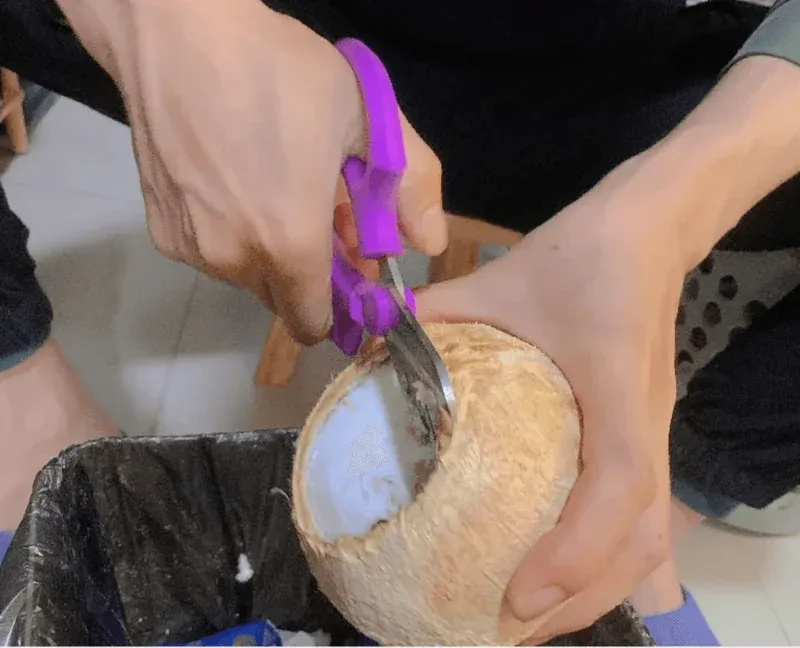
- 3 Parts Base Material: Pre-soaked coconut coir is ideal.
- 2 Parts Aerating Agent: Choose between perlite or coarse sand.
- 1 Part Nutrient Additive: Opt for quality compost or aged manure.
3. Effective Soil Management Tips
- Moisture Test: Moisten the mix and compress it in your hand; it should hold its shape but break apart easily.
- Discard Old Soil: Soil from a diseased plant should be discarded, while soil from a healthy plant can be revitalized with 30% fresh compost.
- Sterilization Technique: To eliminate potential pests, pour boiling water over your mix before using it for indoor seedlings.
FAQ: Common Concerns
Q: What causes white mold on my soil? A: This is often due to excessive watering or inadequate air circulation. It’s generally harmless but indicates the need for better drying periods between waterings.
Q: Is garden soil suitable for pots? A: Not recommended! Garden soil is too compact for pots, leading to poor drainage and potential root rot.