📌 Essential Insights
- Understand Your Watering Habits: Opt for Clay Pots if you often overwater and Plastic Pots if you tend to forget to water your plants.
- Consider Material Porosity: Materials like clay promote root aeration, while plastic retains moisture.
- Enhance Root Growth: Choose Air Pruning Pots to avoid root circling in rapidly growing plants.
- Prioritize Drainage: Any pot must have a drainage hole to prevent waterlogging, which can be fatal to plants.
🏠 Introduction: Finding the Perfect Home for Your Plants
Selecting a pot isn’t merely about appearances; it’s about providing a nurturing environment. Think of a pot as a home for your plant: some are cozy and breathable like clay, while others, like plastic, are sealed, retaining warmth and moisture. Choose unwisely, and your plant might suffer from too much or too little water. Let’s dive into the most popular options to help you choose wisely.
🏺 1. Comparing Pot Options: A Quick Overview
| Type of Pot | Ideal For | Key Benefits | Main Drawbacks |
| Plastic | Tropical Plants, Ferns, Seedlings | Lightweight and retains moisture longer. | Lacks breathability; may overheat in direct sunlight. |
| Clay | Succulents, Cacti, Herbs | Porous; helps remove excess water. | Heavy, fragile, and can dry out quickly. |
| Air Pruning Pots | Trees, Vegetables, Fast-Growing Plants | Prevents root circling; enhances growth. | Dries out rapidly; often not visually appealing. |
- Weight Considerations: If you frequently relocate your plants, plastic is convenient. In windy locations, clay’s weight keeps your plants stable.
- Cost Factor: Plastic pots are cost-effective, whereas high-end air pruning pots or large ceramic containers require a bigger investment.
🧪 2. Which Pot Suits Your Gardening Style?
💧 The “Frequent Waterer” (Clay Pots)
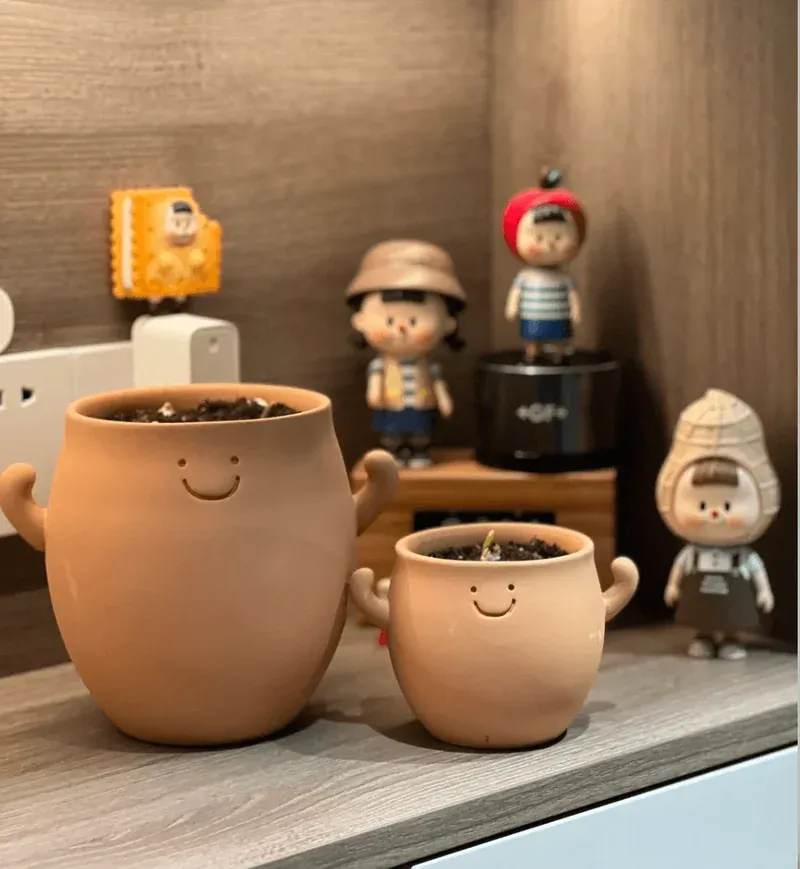
If you find yourself watering daily, Clay Pots are ideal. Their porous nature allows them to release excess moisture, safeguarding your plant’s roots from rot.
- Preferred Plants: Lavender, Succulents, Snake Plants.
🏜️ The “Occasional Waterer” (Plastic Pots)
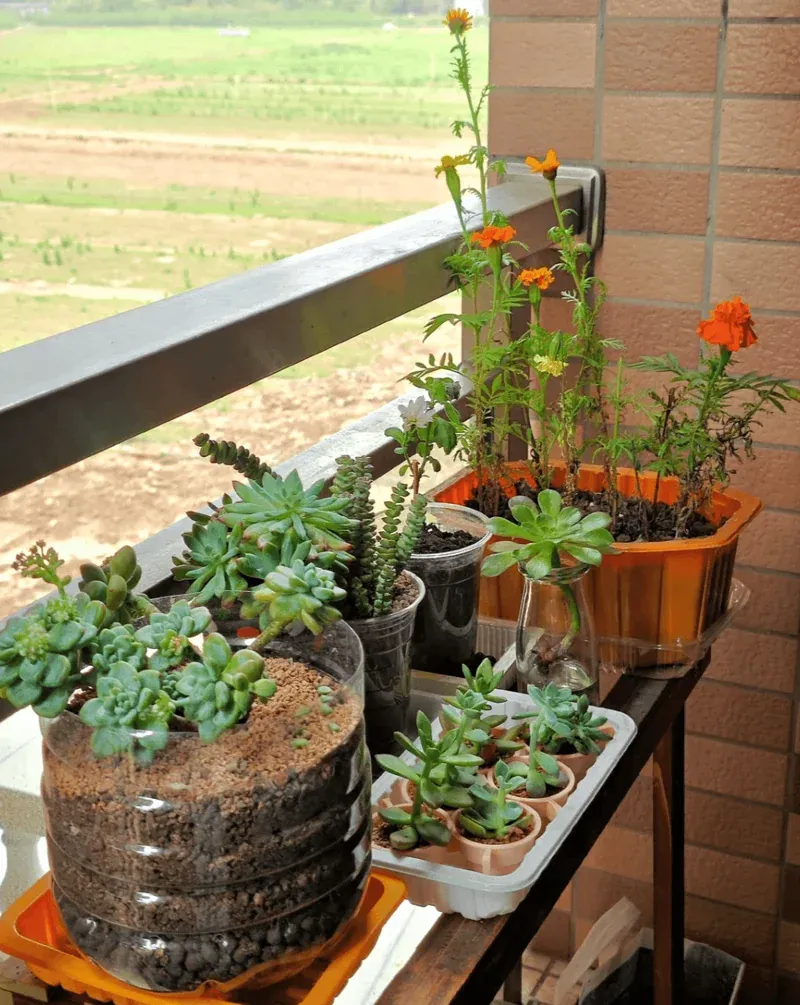
For those who occasionally forget their plants, Plastic or Glazed Ceramic Pots are perfect. These materials trap moisture, so your plants have a bit more time before drying out.
- Preferred Plants: Peace Lilies, Pothos, Ferns.
🚀 The “Growth Enthusiast” (Air Pruning Pots)
Looking for rapid growth? Air Pruning Pots are revolutionary. Their design encourages roots to spread rather than circle, promoting a robust root system.
- Preferred Plants: Tomatoes, Fruit Trees, Cannabis.
✅ Tips for Selecting the Right Container
- The “Two-Inch” Guideline: When repotting, increase the pot size by only about 2 inches in diameter to prevent excess water retention that can lead to root rot.
- Clean Before Reuse: Disinfect old pots with a 10% bleach solution to avert transferring old diseases to new plants.
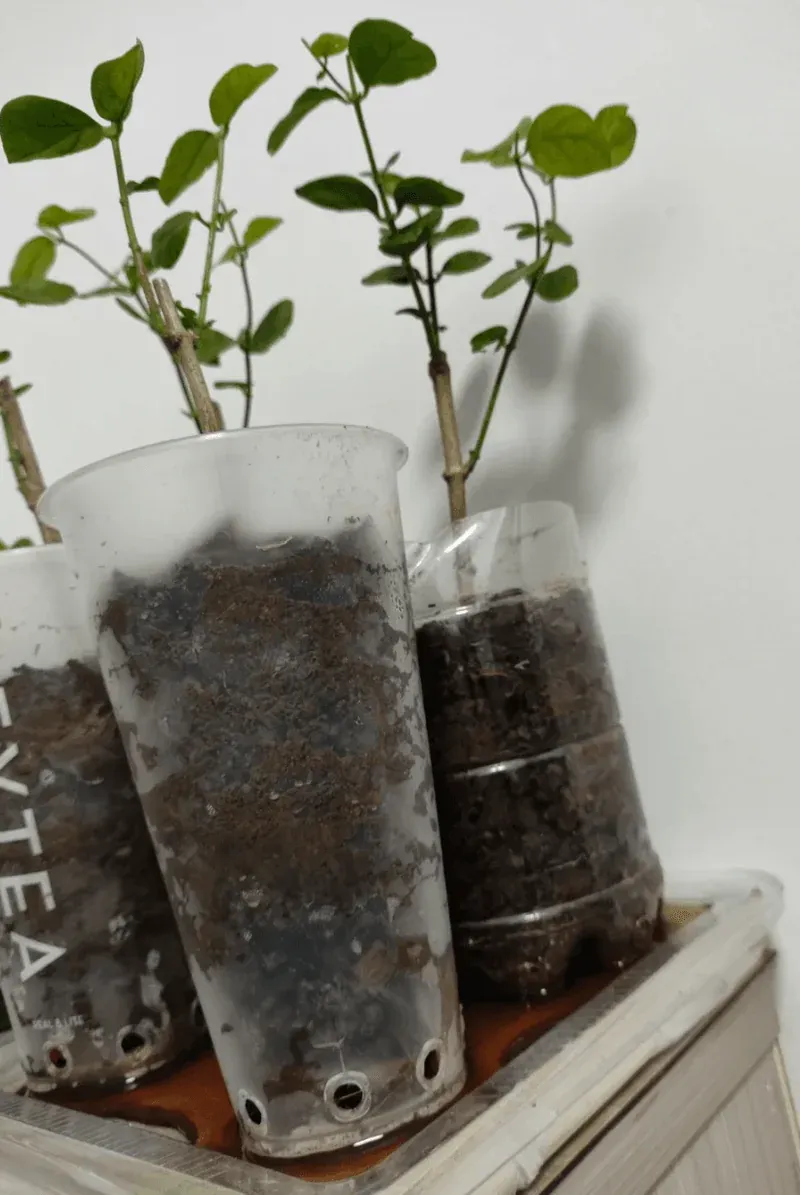
- DIY Drainage: If your container lacks a hole, use a masonry or plastic drill bit to create one for proper drainage.
❓ FAQs: Common Questions Answered
Q: Why do clay pots develop a white residue? A: The white marks are mineral deposits from water and fertilizer. Some gardeners appreciate this “weathered” look, but it can be cleaned off using a vinegar solution.
Q: Is a drainage hole vital? A: Absolutely. Unless you’re growing aquatic plants, drainage holes are essential to prevent salt buildup and root suffocation.
Q: Are fabric pots superior to plastic ones? A: Fabric pots provide excellent aeration similar to air pruning pots but require more frequent watering, making them ideal for outdoor summer gardens.