Essential Insights
- Natural Fertilizers: Prioritize Sustainable Soil Health by nurturing beneficial organisms and enhancing soil structure.
- Synthetic Fertilizers: Deliver Immediate Nutrient Boosts for swift plant growth and quick correction of nutrient gaps.
- Challenges: Over-reliance on synthetics can harm ecosystems, while naturals alone might be too slow for large-scale, high-demand farming.
- Optimal Strategy: A Balanced Approach combining both types to maximize benefits and minimize drawbacks.
1. Organic Fertilizers: Cultivating the Soil’s Ecosystem
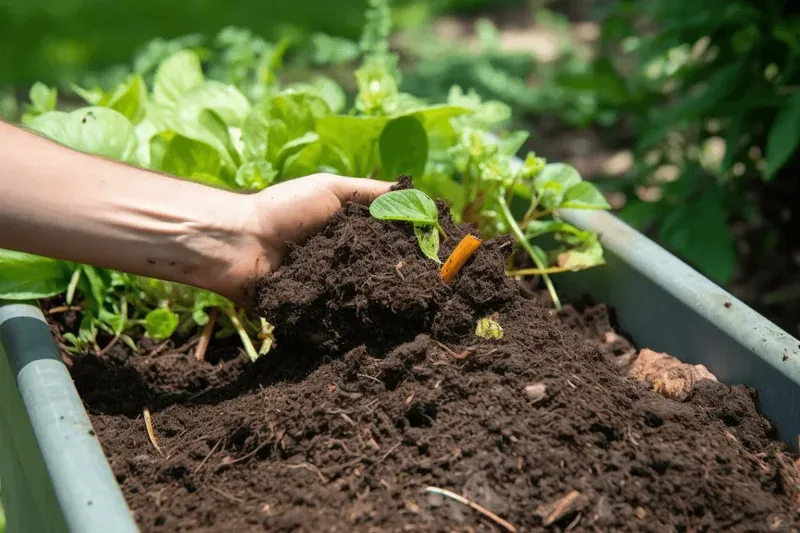
Organic fertilizers are akin to a nurturing force, fostering a thriving environment for your garden.
Advantages: Enriching the “Soil Sponge”
- Microbial Support: Supplies essential carbon and nutrients to sustain beneficial soil bacteria and fungi.
- Timed Nutrient Release: Organic material decomposes gradually, aligning nutrient availability with plant growth cycles.
- Enhanced Structure: Promotes the formation of “Soil Aggregates,” transforming compacted dirt into a well-aerated, moisture-retentive medium.
- Pollution Mitigation: Organic matter can trap and neutralize harmful elements like heavy metals, reducing their impact on the ecosystem.
Limitations: The “Slow and Substantial” Constraint
- Delayed Action: Not suitable for addressing urgent nutrient deficiencies, such as nitrogen-induced leaf yellowing.
- Bulk Requirement: Significant quantities are needed to match the nutrient density of chemical fertilizers.
- Contamination Risks: Poorly processed organic materials might introduce pathogens or contaminants into the soil.
2. Chemical Fertilizers: Quick Fixes for Nutrient Deficiencies
Chemical fertilizers are like precision tools, offering rapid and targeted plant nourishment.
Advantages: Ensuring Agricultural Productivity
- Swift Remedy: Ideal for plants showing signs of nutrient stress, providing immediate corrective action.
- Controlled Nutrient Composition: Allows for exact nutrient tailoring to promote specific plant responses, such as flowering or root development.
- Efficiency in Use: High nutrient concentration means easier storage and application across vast areas.
Limitations: Environmental and Soil Health Concerns
- Ecosystem Disruption: Excessive use can lead to nutrient runoff, causing water pollution and algal blooms.
- Greenhouse Gas Contribution: Nitrogen fertilizers contribute to greenhouse gas emissions during production and use.
- Soil Deterioration: Regular use without organic balance can degrade soil quality, leading to compacted, lifeless earth.
3. A Balanced Approach: Combining Organic and Chemical Methods
The most effective strategy blends organic and chemical fertilizers, utilizing the strengths of each to cultivate healthy and productive gardens.
| Phase | Fertilizer Type | Objective |
| Base Preparation | Organic Fertilizer | Nurture the soil's microbial life and improve texture before planting. |
| Growth Enhancement | Chemical Fertilizer | Apply during critical growth phases like blooming or fruiting for optimal results. |
Concept: Use Organic Fertilizers to establish a reservoir of soil health and Chemical Fertilizers to meet immediate growth demands.
4. Frequently Asked Questions
Q: Can organic fertilizers harm plants? A: While generally safer, “hot” compost that hasn’t fully decomposed can damage plants due to high ammonia content. Always ensure thorough decomposition.
Q: Do chemical fertilizers eliminate soil microbes? A: Indirectly, excessive use can alter soil pH and salinity, making it inhospitable for beneficial organisms.
Q: What’s best for container gardening? A: Containers limit soil volume, so a mix of enriched organic soil with periodic liquid chemical fertilizer boosts can be effective.