Key Insights
- Master the Basics: Get to grips with gardening terms like Pruning and Deadheading to boost your garden’s productivity.
- Lifecycle Knowledge: Distinguish between Annuals and Perennials to effectively plan your garden’s future.
- Stress Reduction: Discover how Acclimatization can help your plants thrive after being transplanted.
Introduction: Understanding Plant Jargon
Stepping into a plant nursery might feel like entering a different world. Why is the gardener mentioning “bolting” for lettuce? Or why does your rose need “deadheading”? Familiarizing yourself with these 16 essential terms will transform you from an unsure buyer into a confident gardener.
1. Fundamental Concepts at a Glance
| Term | Meaning | Importance |
| Annual | Completes its lifecycle in one season. | Provides immediate color, but needs replanting the next year. |
| Perennial | Lives for several years. | Offers long-term value and recurring blooms. |
| Acclimatization | Gradual adjustment to outdoor conditions. | Prevents damage from sudden environmental changes. |
| Bolting | Rapid flowering followed by seeding. | Common in heat-stressed lettuce, leading to bitter leaves. |
2. Growth and Maintenance Lingo
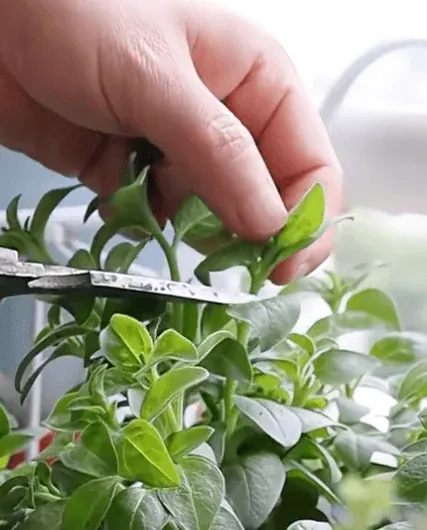
Topping: Trimming the main stem to encourage a plant to grow broader.
Acclimatization: The adjustment phase a plant undergoes when moved to a new location or after repotting.
Vernalization: The necessity for certain plants, like tulips, to experience cold weather before blooming.
Deadheading: Removing spent blooms to redirect energy towards new flowers instead of seed production.
Leggy: When a plant becomes tall and spindly due to insufficient light.
Node: The spot on a stem where leaves or branches develop, crucial for propagation.
Dormancy: The phase, often in winter, when plant growth pauses to conserve energy.
Pruning: Selectively trimming plant parts to enhance health or form.
Self-Seeding: When plants naturally disperse seeds, resulting in new growth the following year without assistance.
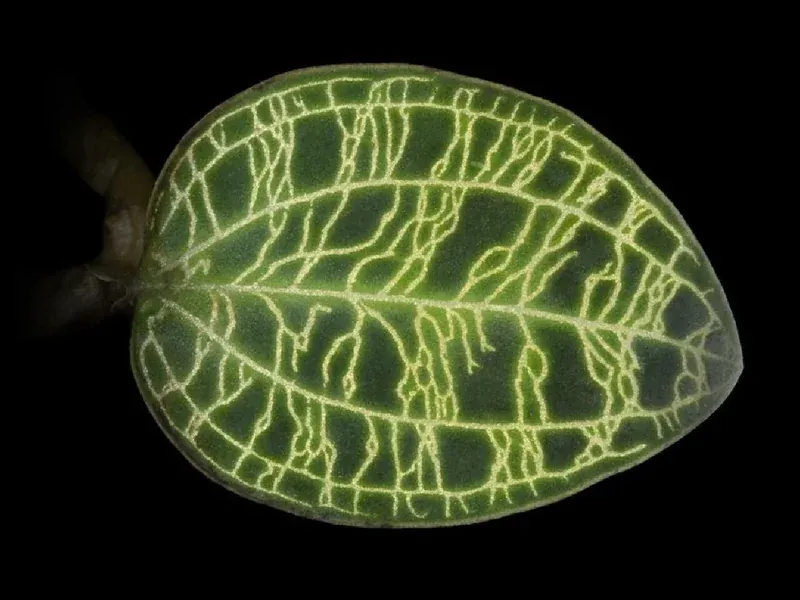
Variegated: Leaves with multiple colors, typically a mix of green and white or yellow.
Direct Sow: Planting seeds directly in the garden soil instead of starting them in pots.
Thinning: Removing excess seedlings to provide adequate space for growth.
Full Shade: An area receiving less than three hours of direct sunlight.
Root Bound: A condition where roots fill the pot, causing them to grow in circles.
Mulch: A protective layer, such as wood chips or straw, spread on soil to retain moisture.
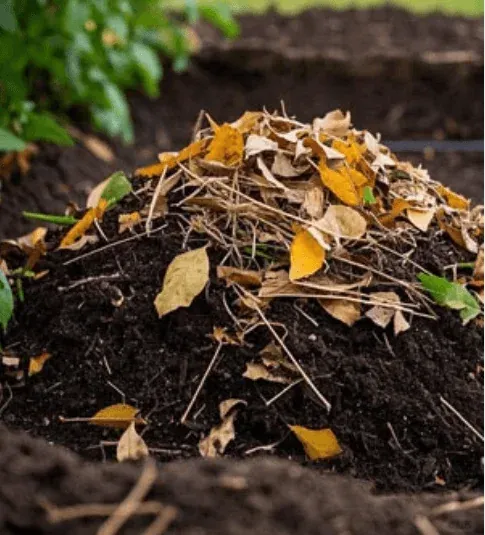
Propagation: Generating new plants from seeds, cuttings, or divisions.
3. Tips for Gardening Beginners
Label Diligently: It’s easy to forget plant varieties, so use waterproof labels to identify them.
Assess Before Reacting: If a plant appears unhealthy, inspect soil moisture and lighting before fertilizing.
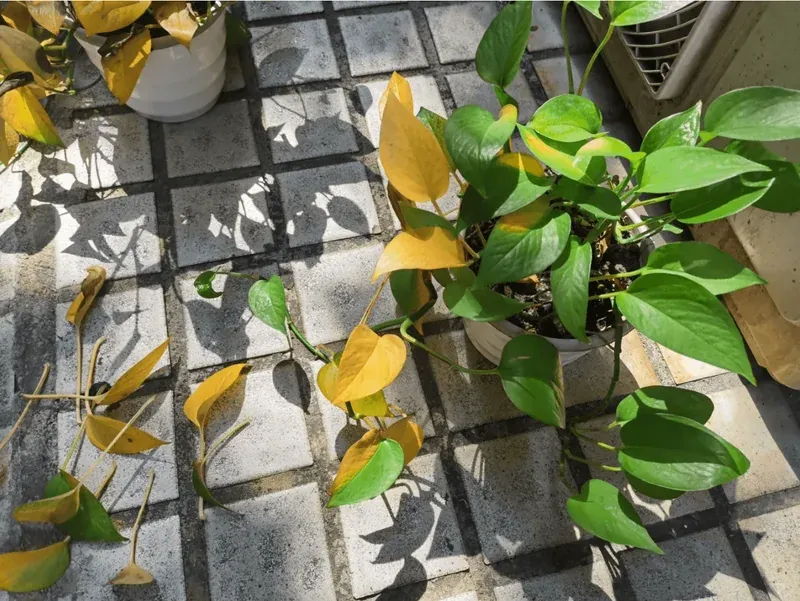
Begin with Basics: Start with a few plants and terms before expanding your garden.
FAQ: Common Questions
Q: Are “Pinching” and “Topping” the same? A: Generally, yes. “Pinching” is using fingers on soft growth, while “topping” uses shears on the main stem, both aiming to promote bushier growth.
Q: What defines “Bright Indirect Light”? A: It’s like a spot where you can comfortably read without direct sunlight touching you. That’s the ideal condition.